World · Singapore Bureau
Electric vehicles don't require specialised brake pads, industry experts say
While automotive manufacturers may incrementally boost ceramic content in brake pads for improved performance, the practical differences remain marginal for EV owners, according to industry analysis.
LSN Singapore ·
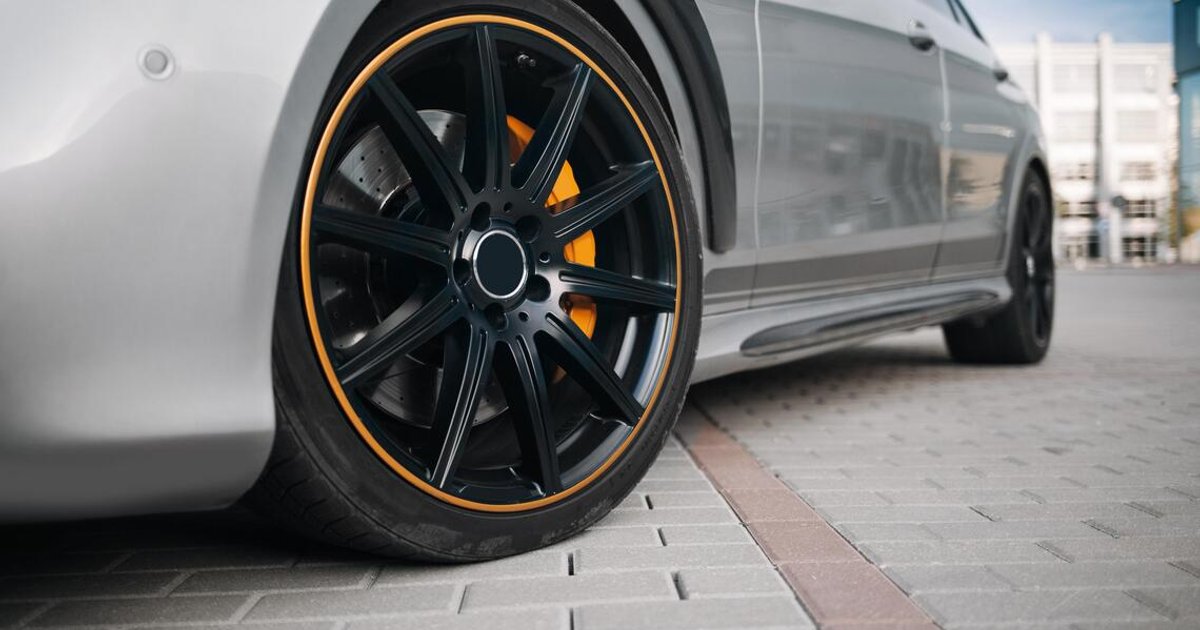
Electric vehicles do not necessitate specially formulated brake pads despite common misconceptions among consumers, industry sources confirm. Although some carmakers are exploring ways to enhance brake pad performance through increased ceramic content, any variations from conventional pads are minimal and do not constitute a requirement for EV operation.
The automotive sector has seen growing interest in optimising braking systems as EV adoption accelerates globally. Manufacturers are examining composition adjustments to existing pad formulations as part of routine performance refinement rather than addressing fundamental compatibility issues between electric and conventional powertrains.
For Singapore drivers considering the transition to electric vehicles, the findings suggest that existing brake pad technology remains adequate. EV owners can continue to source standard replacement pads from established suppliers without seeking specialist alternatives.
The clarification addresses rising consumer concerns about hidden costs associated with EV maintenance. Industry analysts expect that as EV fleets mature, standardisation across brake component specifications will further reduce any perceived barriers to ownership for the region's growing number of electric vehicle buyers.