World · India Bureau
Elephant conservation emerges as key to protecting India's forest carbon reserves
A new study highlights how safeguarding elephant populations plays a critical role in maintaining India's forests as vital carbon stores. Researchers emphasize that long-term conservation success requires habitat restoration and wildlife corridor connectivity, not merely expanding reserve boundaries.
LSN India ·
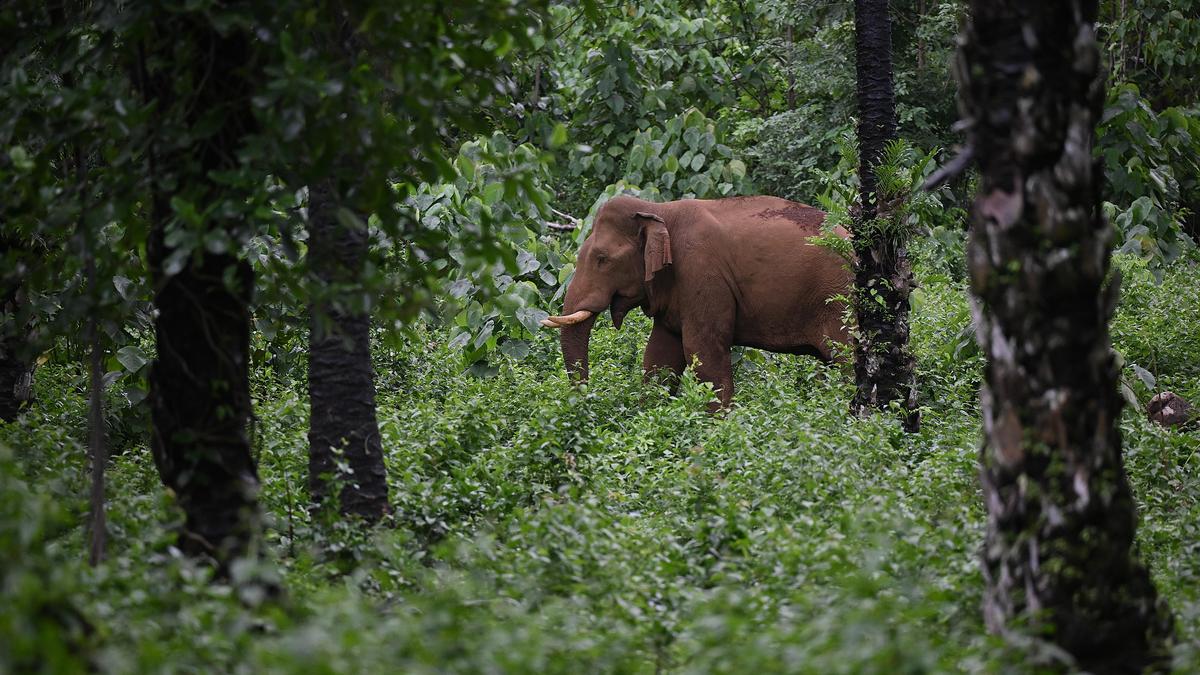
Scientists examining the relationship between elephant conservation and forest health have found that protecting these megafauna is essential to preserving India's forests as significant carbon sinks. The research underscores that elephant populations serve as indicators of forest ecosystem stability and carbon sequestration capacity across the subcontinent.
The study reveals that expanding the number of elephant reserves alone is insufficient for achieving conservation objectives. Instead, researchers identify three critical priorities for sustained success: improving the quality of existing habitats where elephants roam, restoring wildlife corridors that connect fragmented forest patches, and strengthening overall forest management practices.
Wildlife corridors emerge as particularly important in the research findings, as they enable elephant herds to move freely between protected areas while maintaining genetic diversity and accessing seasonal food sources. These pathways also facilitate the movement of other species, enhancing overall biodiversity and forest resilience.
The findings carry significant implications for India's climate commitments, as healthy forest ecosystems managed through effective wildlife conservation contribute substantially to carbon sequestration and climate mitigation. Researchers suggest that integrating elephant conservation with broader forest management strategies creates a multipronged approach to environmental protection.
Experts recommend that forest authorities prioritize habitat quality improvements and connectivity restoration alongside traditional reserve expansion efforts. The research suggests that such integrated approaches offer more sustainable outcomes for both elephant populations and the forest ecosystems they inhabit.