Culture & Entertainment · India Bureau
Elephant use in festivals needs scientific scrutiny: Karnataka legislator
A senior Karnataka legislator has called for evidence-based review of elephant participation in religious and cultural festivals, citing concerns about animal welfare. The demand comes as states grapple with balancing tradition and conservation.
LSN India ·
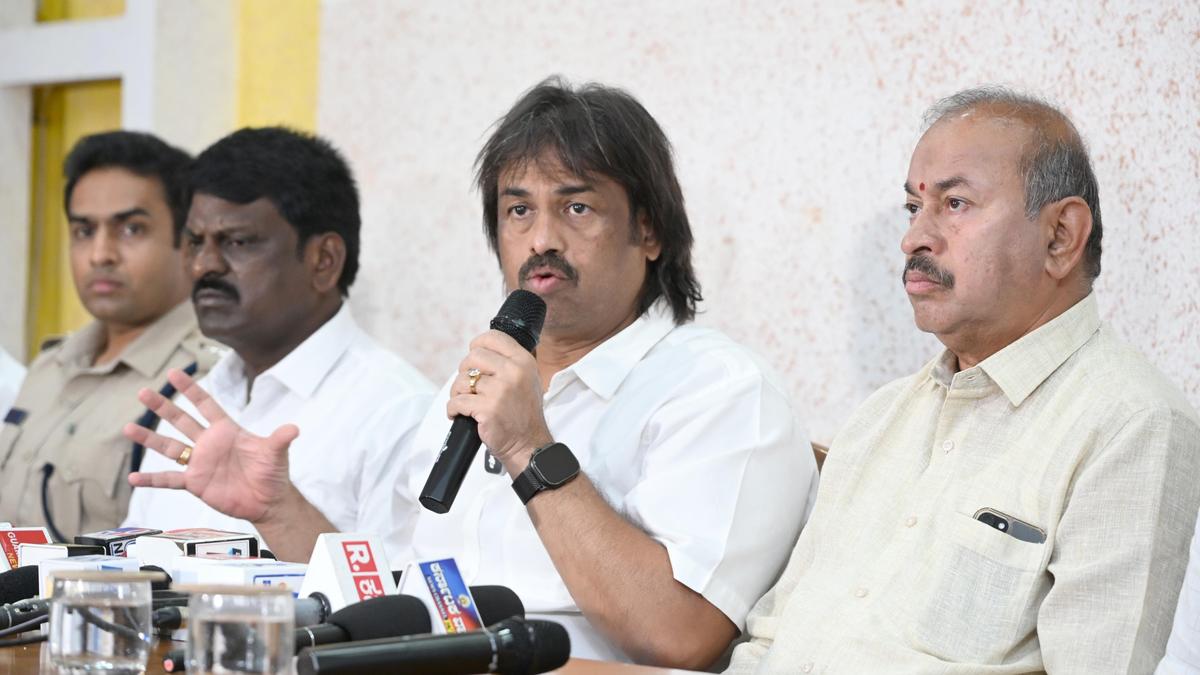
Madhu Bangarappa, a prominent figure in Karnataka's legislative assembly, has advocated for a scientific examination of whether elephants should continue to feature in festivals across the region. His position reflects growing tensions between cultural heritage and animal protection standards that have intensified in recent years.
The legislator's remarks underscore a broader debate within India about the role of captive elephants in religious ceremonies and public celebrations. Festival participation typically involves long processions, decorative caparisons, and crowded environments that animal welfare experts have flagged as potentially stressful for the animals.
Karnataka and neighbouring states have numerous festivals featuring elephants, from temple processions to cultural events that draw large crowds. While these traditions are deeply rooted in regional culture and religious practice, veterinary specialists and conservationists have increasingly questioned their impact on elephant health and behaviour.
Bangarappa's call for scientific review suggests a potential policy shift toward making festival participation contingent on evidence of animal welfare compliance. Such an approach could establish benchmarks for elephant handling, veterinary care, and working conditions during public events.
The matter remains contentious, with cultural practitioners defending traditional practices while animal welfare advocates push for stricter regulations. Any policy changes would likely require coordination between state wildlife departments, religious institutions, and local authorities to determine sustainable pathways forward.