Business · Singapore Bureau
Elite Formula One drivers possess unique cognitive advantages beyond reflexes
While quick reaction times are crucial in motorsport, neuroscientists have identified that the world's top Formula One drivers rely on a distinctive set of cognitive and neurological traits that truly set them apart from their competitors.
LSN Singapore ·
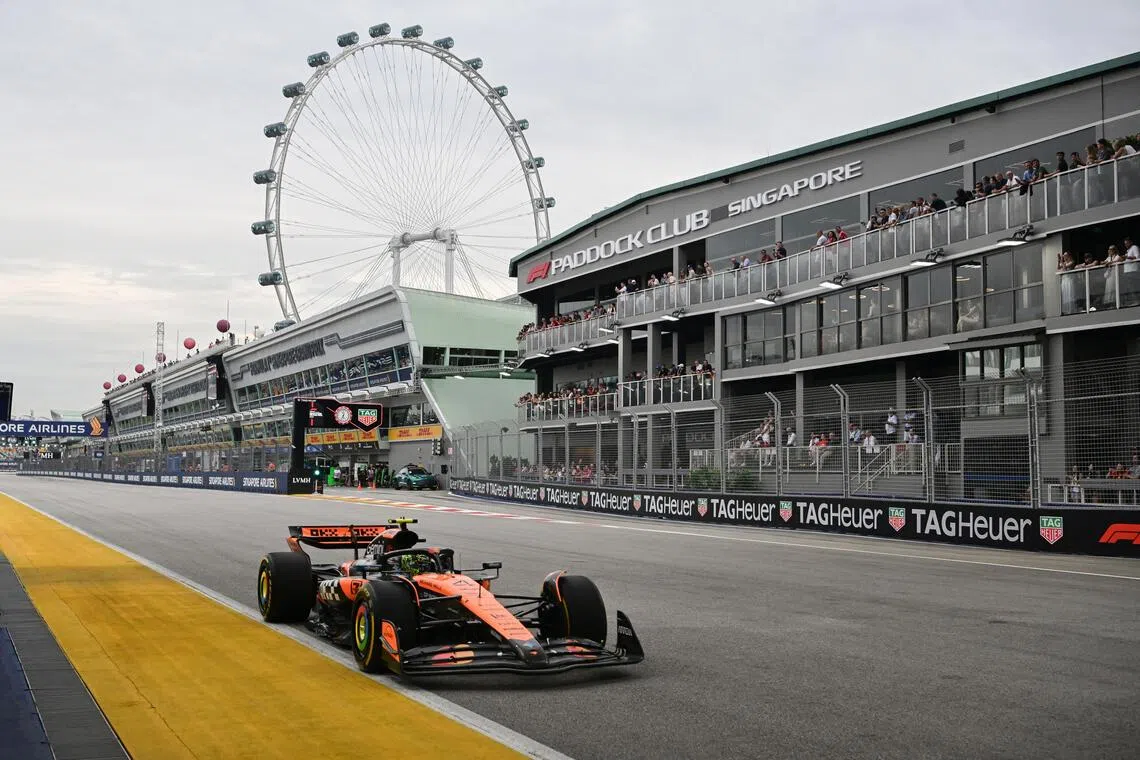
Research into the minds of elite Formula One drivers reveals that success at the highest levels of motorsport depends far more on specialized neural processing than on reflexes alone. While the ability to react quickly to unexpected situations remains important, the cognitive architecture that distinguishes championship-winning drivers encompasses far broader mental capabilities.
Neurological studies have shown that top-tier drivers possess enhanced spatial awareness, superior working memory capacity, and exceptional ability to process multiple streams of sensory information simultaneously. These drivers demonstrate remarkable capacity to maintain focus and make split-second strategic decisions while managing extreme physical stress, G-forces, and mental fatigue over extended race periods.
Experience plays a crucial role in developing these cognitive advantages. Years of intensive training allow elite drivers to develop highly efficient neural pathways that enable intuitive decision-making at speeds where conscious thought would prove far too slow. The brain essentially learns to anticipate racing scenarios and optimize responses before competitors have fully assessed the situation.
Experts suggest that understanding the neuroscience behind elite performance could help identify and develop future talent in motorsport. The recognition that Formula One success depends on a complex interplay of cognitive strengths, rather than simple reflexes, has prompted teams to invest increasingly in brain training and psychological preparation alongside traditional physical conditioning programs.