World · India Bureau
Emergency's lasting impact on Tamil Nadu politics examined
As India marks decades since the 1975-77 Emergency, Tamil Nadu's experience during that tumultuous period continues to shape the state's political consciousness. The imposition of President's rule left deep scars on democratic institutions and political discourse in the southern state.
LSN India ·
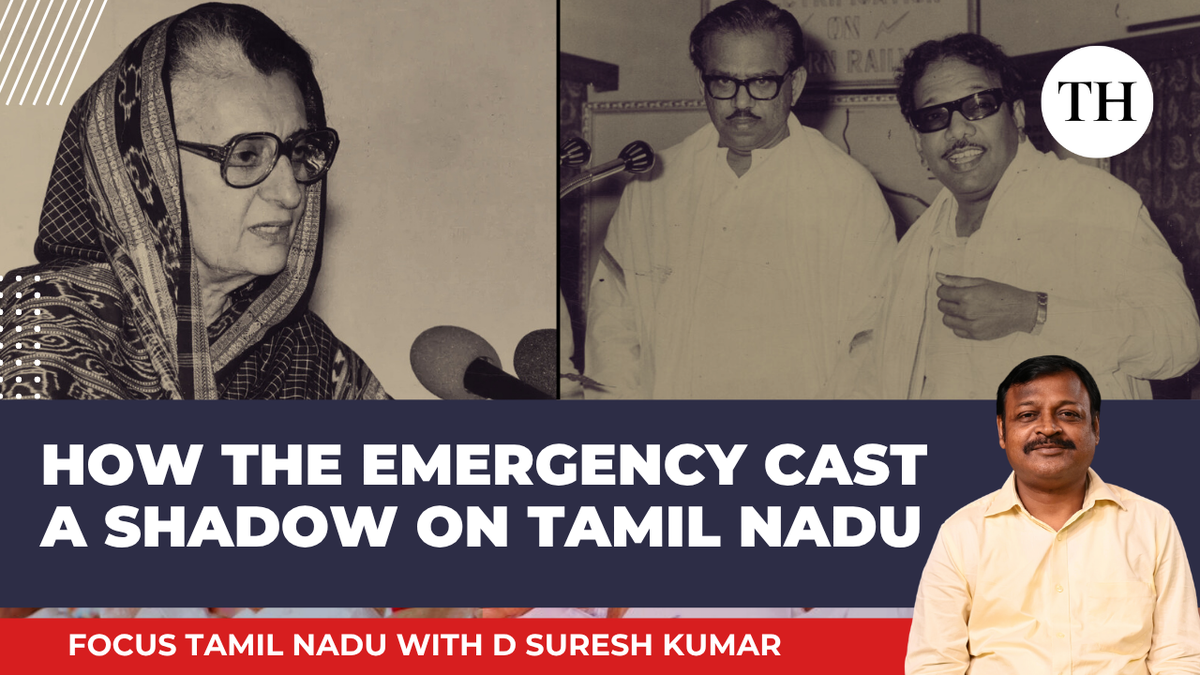
The Emergency period fundamentally altered the political landscape of Tamil Nadu, leaving consequences that reverberated through subsequent decades of state governance. During those 21 months of constitutional suspension, the state witnessed unprecedented restrictions on civil liberties, press freedom, and democratic participation that would become defining moments in its modern history.
The impact extended beyond immediate political upheaval. Tamil Nadu's experience during the Emergency became a rallying point for diverse political factions, uniting opponents of centralized authoritarian rule. The state's political parties, regardless of ideological differences, drew lessons from the period that influenced their approach to safeguarding democratic institutions and state autonomy.
In the years following the Emergency's end, Tamil Nadu emerged as a region particularly vigilant about protecting constitutional democracy and individual freedoms. The memory of those restrictions shaped electoral politics and public discourse, with voters demonstrating heightened awareness of democratic vulnerabilities. The state's media and civil society institutions also adopted a more assertive stance in monitoring governmental accountability.
Historians and political analysts continue examining how the Emergency served as a watershed moment for Tamil Nadu's political culture. The period reinforced the state's distinct identity within India's federal structure and contributed to the development of robust institutional checks against executive overreach, elements that remain visible in contemporary Tamil Nadu governance.