Culture & Entertainment · India Bureau
Engineering admissions season opens amid sector-wide quality crisis in Tamil Nadu
As Tamil Nadu prepares for the 2026 engineering admissions cycle, the sector faces mounting pressures from quality concerns, workforce shortages, and a persistent mismatch between graduate supply and industry demand.
LSN India ·
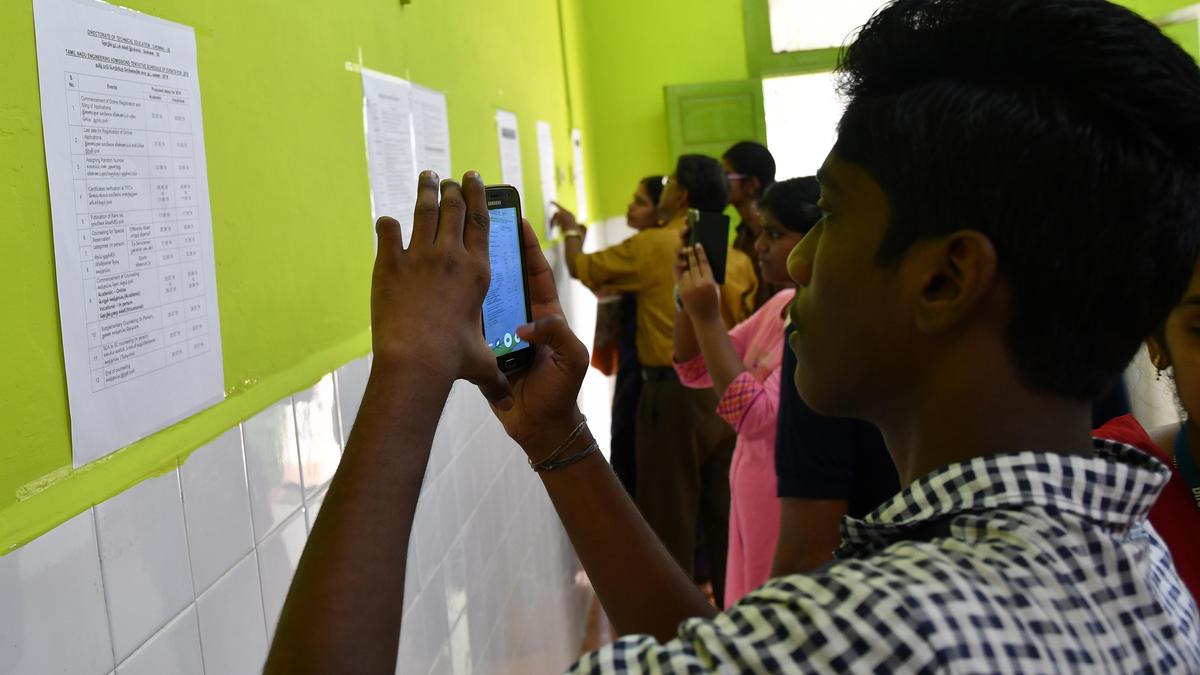
The engineering education sector in India is navigating turbulent waters as the 2026 admissions season begins, with Tamil Nadu emerging as a focal point for the industry's mounting challenges. Beyond the immediate disruptions affecting the broader education landscape, engineering institutions are grappling with structural problems that have accumulated over successive years, creating a complex crisis that extends far beyond simple enrollment numbers.
Quality assurance remains a critical concern, with engineering colleges struggling to maintain academic standards while simultaneously addressing staffing shortages that have left many institutions operating below optimal capacity. Faculty vacancies continue to plague engineering departments across the region, hampering the delivery of instruction and mentorship that students require to develop professional competencies.
The sector faces a persistent supply-demand imbalance that has become increasingly difficult to resolve. While engineering colleges continue to produce graduates at scale, industry hiring patterns and skill requirements have shifted significantly, leaving many institutional approaches outdated. Additionally, evolving career trajectories and student preferences have altered demand patterns, further complicating enrollment projections and curriculum planning.
Educators and administrators acknowledge that these interconnected challenges require comprehensive attention beyond incremental adjustments. As admissions open for the next cycle, institutions must contend with these persistent structural issues while attempting to attract and prepare the next generation of engineers for a rapidly changing professional landscape.