World · India Bureau
English seabird colony rebounds after devastating bird flu outbreak
Sandwich terns have made a remarkable return to Pagham Harbour in southern England, establishing one of the region's largest breeding colonies following a catastrophic bird flu outbreak in 2022. The recovery demonstrates the effectiveness of targeted habitat restoration and predator management in helping seabird populations recover from disease.
LSN India ·
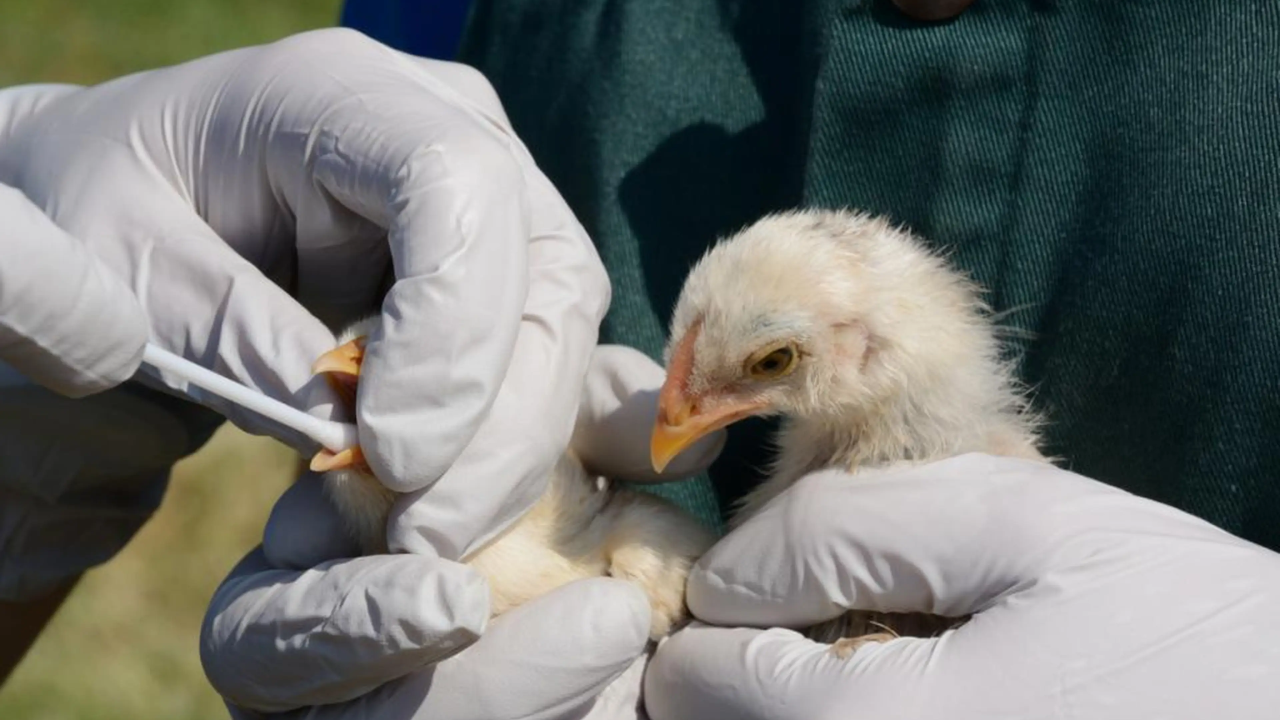
Sandwich terns have returned to Pagham Harbour in unprecedented numbers, marking a significant recovery for the species after a bird flu outbreak decimated the breeding colony two years ago. The terns, elegant seabirds known for their distinctive appearance and fishing abilities, had completely abandoned the site following the 2022 disease event, leaving the once-thriving colony vacant.
Conservation efforts have proven instrumental in facilitating the species' return. Dedicated habitat restoration work and carefully managed predator control measures have created conditions conducive to successful breeding. These interventions transformed Pagham Harbour back into an attractive location for the birds to establish nesting territories and rear offspring.
The current breeding season has brought encouraging signs of population health. Abundant chicks are flourishing in the colony, supported by plentiful food resources in the surrounding waters. This abundance of juvenile birds suggests that environmental conditions are favourable and that adult terns are successfully provisioning their young.
The recovery at Pagham Harbour now ranks among England's most substantial sandwich tern breeding colonies, underscoring the resilience of seabird populations when provided with appropriate conservation support. The success story offers hope for other seabird species struggling with the ongoing challenges posed by avian influenza and habitat degradation across coastal regions.