World · World News Bureau
Environmental toll mounts as world seeks alternatives to Chinese rare earths
Efforts to reduce reliance on China's rare earth dominance are shifting mining operations to developing nations, raising concerns about environmental degradation and regulatory gaps. Communities in Southeast Asia and South Asia face mounting pressure as global demand for these critical minerals surges.
LSN World News ·
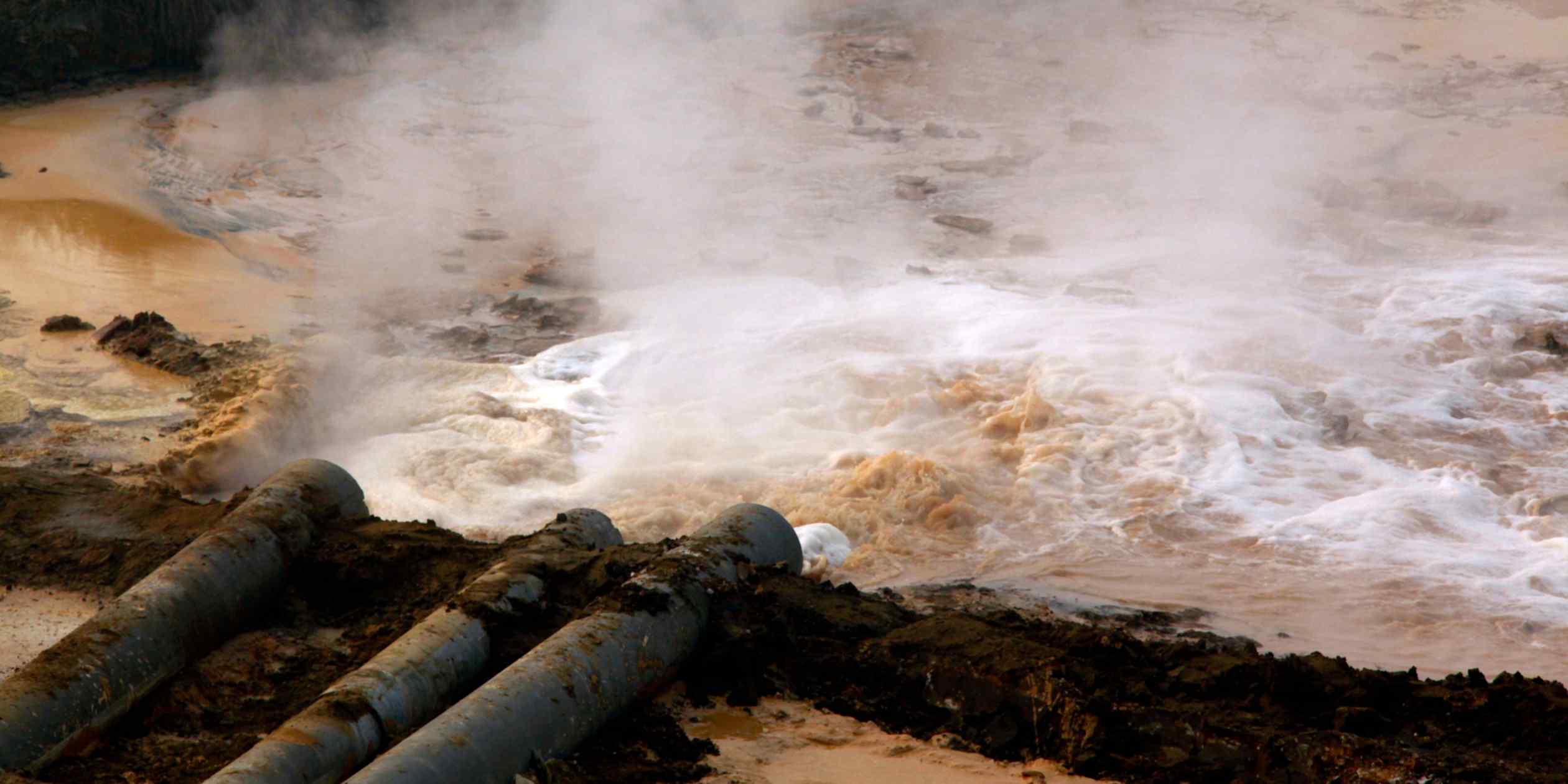
The global push to diversify rare earth sourcing away from China is creating environmental challenges in alternative production regions, particularly across South and Southeast Asia where regulatory frameworks remain underdeveloped. Mining operations for rare earth elements—essential for electronics, renewable energy systems, and military applications—typically generate substantial waste streams and require intensive water usage, posing risks to local ecosystems and communities with limited capacity to enforce environmental protections.
Developing nations competing to attract rare earth processing investments often struggle to balance economic opportunities against environmental safeguards. The rush to establish new mining and refining facilities has accelerated in countries with less stringent environmental standards, creating a pattern where wealthy nations secure supply chain diversification while poorer regions absorb the ecological consequences.
Local communities in affected areas report concerns about water contamination, air quality degradation, and soil contamination linked to rare earth extraction. Agricultural productivity has declined in some regions, while health impacts among residents near mining sites remain inadequately monitored or addressed through remediation efforts.
Industry stakeholders acknowledge that sustainable rare earth sourcing requires investment in cleaner processing technologies and stronger environmental oversight. However, cost pressures and competitive dynamics have limited adoption of these measures. Policymakers in producer nations are increasingly recognizing the need for stricter environmental standards, though enforcement mechanisms remain inconsistent across the region.