World · Bangladesh Bureau
Erosion of democratic norms weakens state institutions, experts warn
Political analysts across South Asia argue that governments undermining democratic principles and civil rights protections inevitably face institutional decline and loss of public legitimacy. The pattern emerges as tensions between state authority and individual freedoms shape governance outcomes in the region.
LSN Bangladesh ·
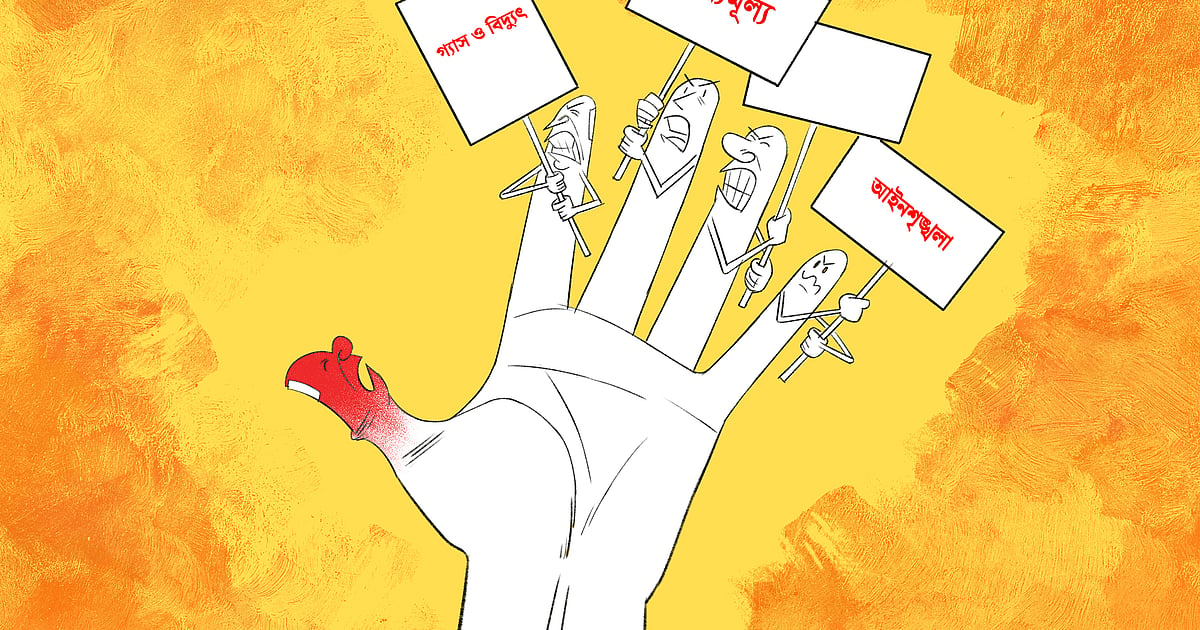
Scholars and governance experts have identified a clear correlation between the weakening of democratic institutions and the deterioration of state capacity in developing nations. When governments systematically restrict civil liberties, suppress dissent, or manipulate electoral processes, they simultaneously erode the institutional checks and balances that provide long-term stability and public confidence in state apparatus.
The mechanism operates through several interconnected channels. Citizens lose faith in formal institutions when their rights are curtailed, prompting them to seek alternative power structures or withdraw from civic participation entirely. This fracturing of the social contract reduces the government's ability to mobilize public cooperation for critical policy implementation, from tax collection to public health initiatives.
Additionally, governments that prioritize control over democratic accountability often attract officials motivated by personal gain rather than public service. Without transparent recruitment, oversight, and legal constraints on executive power, institutions become vehicles for patronage and corruption, further diminishing their functional capacity and reputation.
Regional observers note that states maintaining constitutional protections and civil rights frameworks demonstrate greater resilience during economic crises and political transitions. The strength of democratic institutions ultimately determines a government's capacity to adapt, innovate, and maintain public legitimacy across changing circumstances. Policymakers across South and Southeast Asia increasingly recognize that democratic governance is not merely a philosophical ideal but a practical requirement for effective state function.