World · India Bureau
Ethanol blending drives agricultural diversification, says Gadkari
India's push towards ethanol-blended petrol has gained significant traction since 2022, with millions of vehicles now running on the fuel mix. The initiative is seen as a key strategy to diversify the agricultural sector and reduce petroleum imports.
LSN India ·
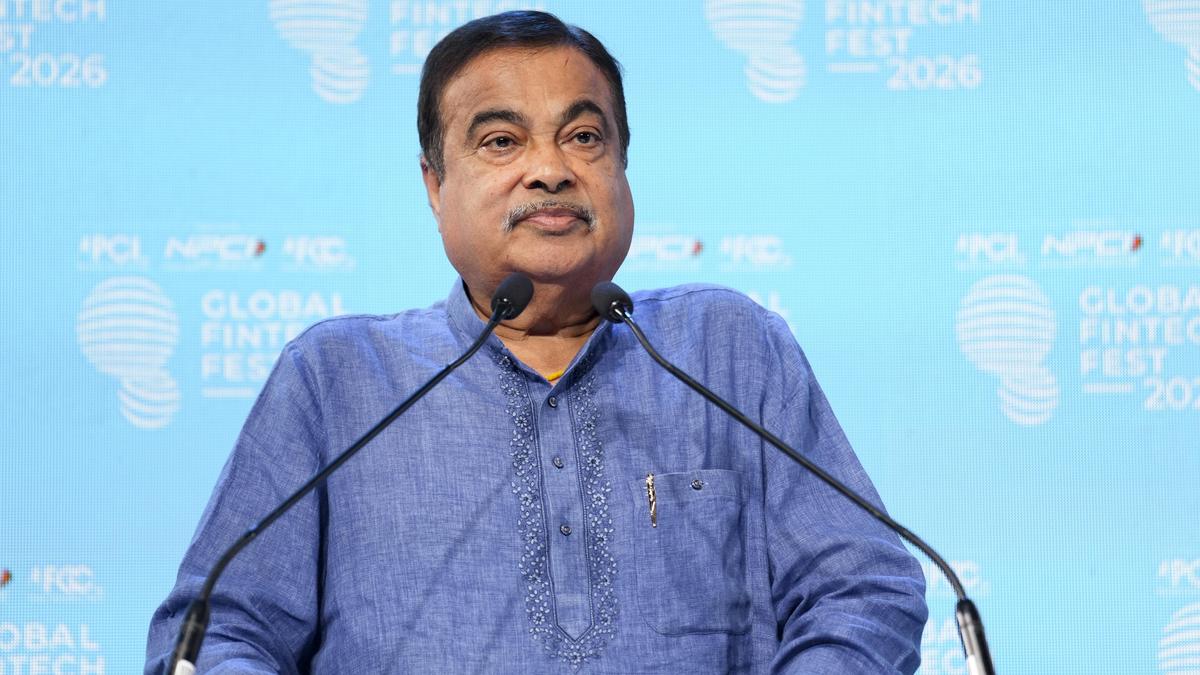
India's ethanol-blending programme has emerged as a pivotal strategy to strengthen farm-based economic growth while addressing energy security concerns. According to government data, approximately 4.4 crore four-wheelers and 20 crore two-wheelers have transitioned to petrol mixed with ethanol since 2022, marking substantial progress in fuel adoption across the country's vehicle fleet.
The shift towards ethanol-blended fuel represents a significant step in agricultural diversification, moving beyond conventional crop production. By creating demand for ethanol production from agricultural feedstock, the initiative provides farmers with alternative revenue streams and encourages expanded cultivation of suitable crops for biofuel manufacturing.
The programme aligns with India's broader energy independence objectives by reducing reliance on crude oil imports while simultaneously supporting rural economies. Government officials have positioned ethanol blending as a win-win proposition that addresses both energy security and agricultural sustainability challenges.
The widespread adoption across both commercial and personal vehicles demonstrates growing consumer acceptance of ethanol-blended petrol. Industry analysts suggest that continued expansion of the programme could unlock additional opportunities for rural income generation and strengthen India's position in sustainable energy development.