World · India Bureau
Ethanol blending in petrol exceeds standards, raising vehicle durability concerns
Testing of 63 fuel samples across southern India has revealed ethanol content in petrol reaching up to 31.2 percent, significantly above prescribed E20 specifications. The discrepancy has triggered concerns about potential engine damage and vehicle longevity.
LSN India ·
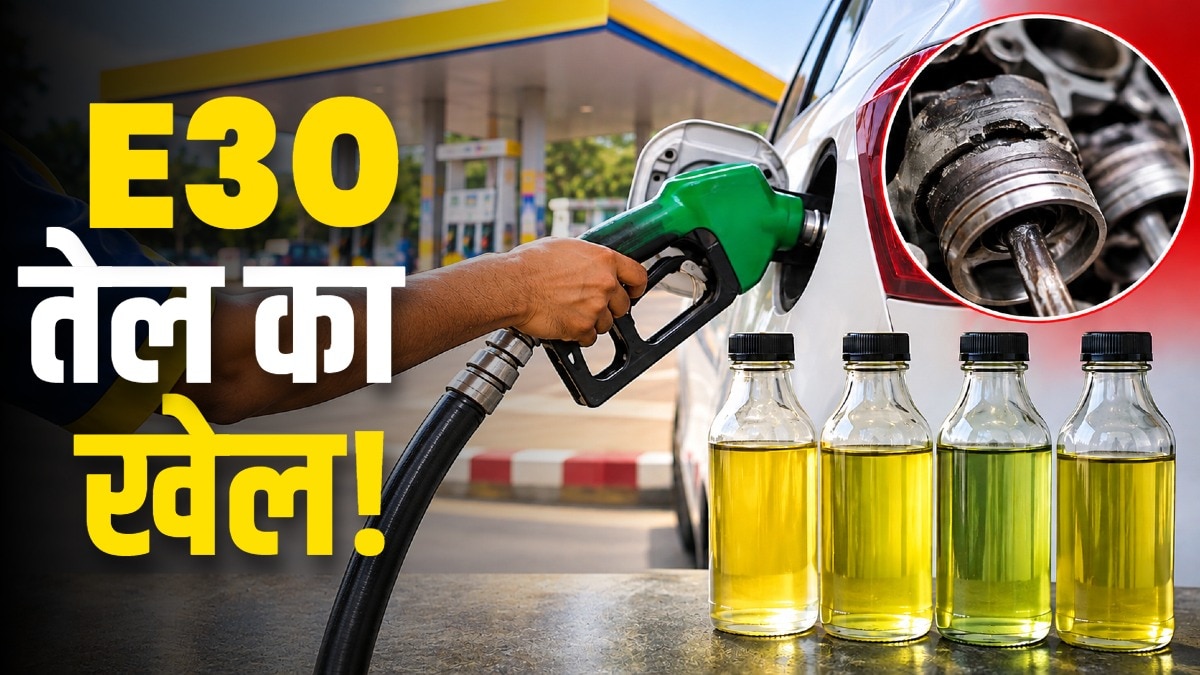
A quality audit of petrol samples in India's southern regions has uncovered substantial deviations from fuel standards, with ethanol blending concentrations nearly 50 percent higher than authorized levels. Of 63 samples tested, several revealed ethanol content approaching 31.2 percent, compared to the E20 specification of 20 percent ethanol by volume that was recently introduced for compatible vehicles.
The discovery has sparked debate among automotive experts and consumer groups regarding the implications for vehicles not designed to operate on high-ethanol blends. E20 fuel was rolled out in India to reduce petroleum imports and promote renewable energy, but only vehicles certified for higher ethanol tolerance can safely use it without experiencing performance issues.
Dealers and mechanics have raised concerns that vehicles operating on fuel with excess ethanol concentrations risk corrosion of fuel system components, reduced engine efficiency, and potential warranty complications. Ethanol's higher oxygen content and hygroscopic properties can cause damage to fuel injectors, gaskets, and engine seals in conventional petrol engines over extended use.
Industry stakeholders are calling for stricter monitoring mechanisms at fuel retail outlets to ensure compliance with prescribed blending standards. The discovery underscores potential gaps in quality control infrastructure as India transitions toward higher ethanol-blended fuels to meet renewable energy and emission reduction targets.