Politics · World News Bureau
Ethiopia's health system faces collapse amid renewed Tigray fighting
The World Health Organization has warned that escalating violence in northern Ethiopia is severely destabilizing the country's healthcare infrastructure. Renewed combat between Tigrayan rebels and federal forces has undermined a ceasefire agreement reached in 2022.
LSN World News ·
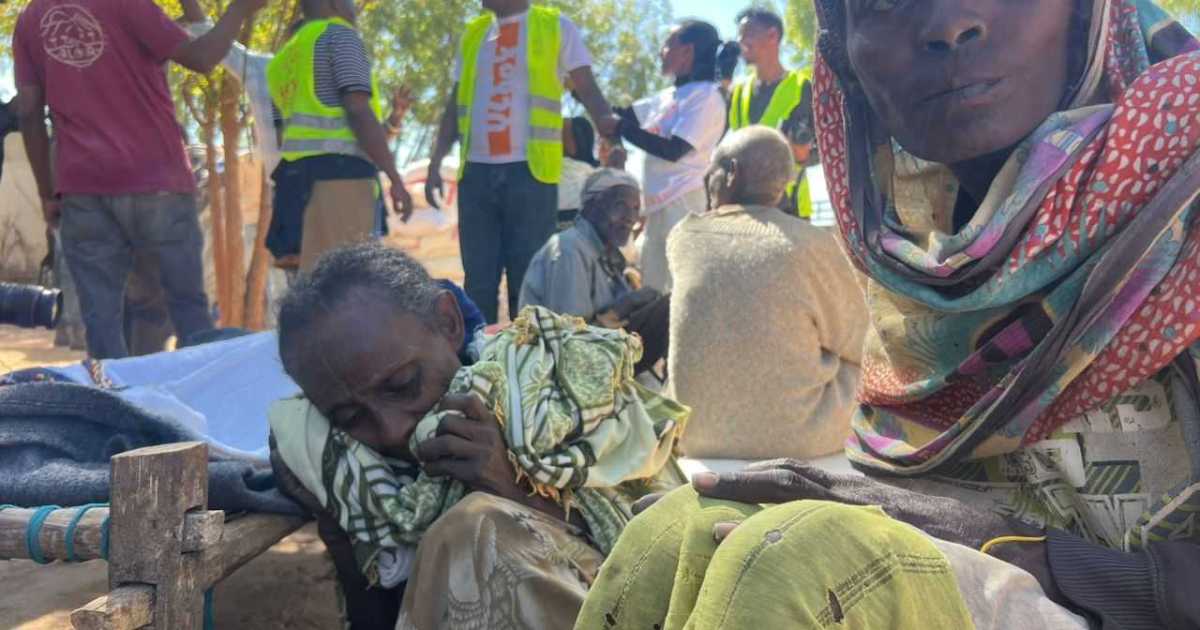
The resurgence of armed conflict in Ethiopia's northern regions is pushing an already fragile health system toward complete breakdown, according to assessments by the World Health Organization. Fighting between Tigray People's Liberation Front forces and government-aligned troops has intensified despite a peace agreement signed two years ago that was intended to end the devastating civil war.
The deteriorating security situation has severely impacted healthcare delivery across the conflict-affected zones. Health facilities have been damaged or rendered inaccessible, medical staff have fled the regions, and supply chains for essential medicines and equipment have been disrupted. The WHO has emphasized that the collapse of health services poses severe risks to civilian populations already suffering from malnutrition, disease, and limited access to basic medical care.
The renewed violence represents a significant setback for regional stability. The 2022 ceasefire agreement had raised hopes for reconstruction and humanitarian access, but fresh hostilities have eroded those gains and complicated efforts by international organizations to provide relief assistance. The humanitarian consequences are expected to be severe, with vulnerable populations including women and children facing heightened exposure to disease and injury.
International observers have called for an immediate cessation of hostilities and renewed commitment to peace negotiations. The situation underscores the urgent need for diplomatic intervention to prevent further deterioration of conditions in northern Ethiopia.