World · World News Bureau
Ethiopia's renewed fighting sparks blackout, blockade concerns
Fresh conflict in northern Ethiopia threatens to isolate the Tigray region once again, raising alarm bells about a potential humanitarian catastrophe similar to the 2020-2022 civil war. The previous conflict claimed approximately 600,000 lives amid a near-total communications blackout.
LSN World News ·
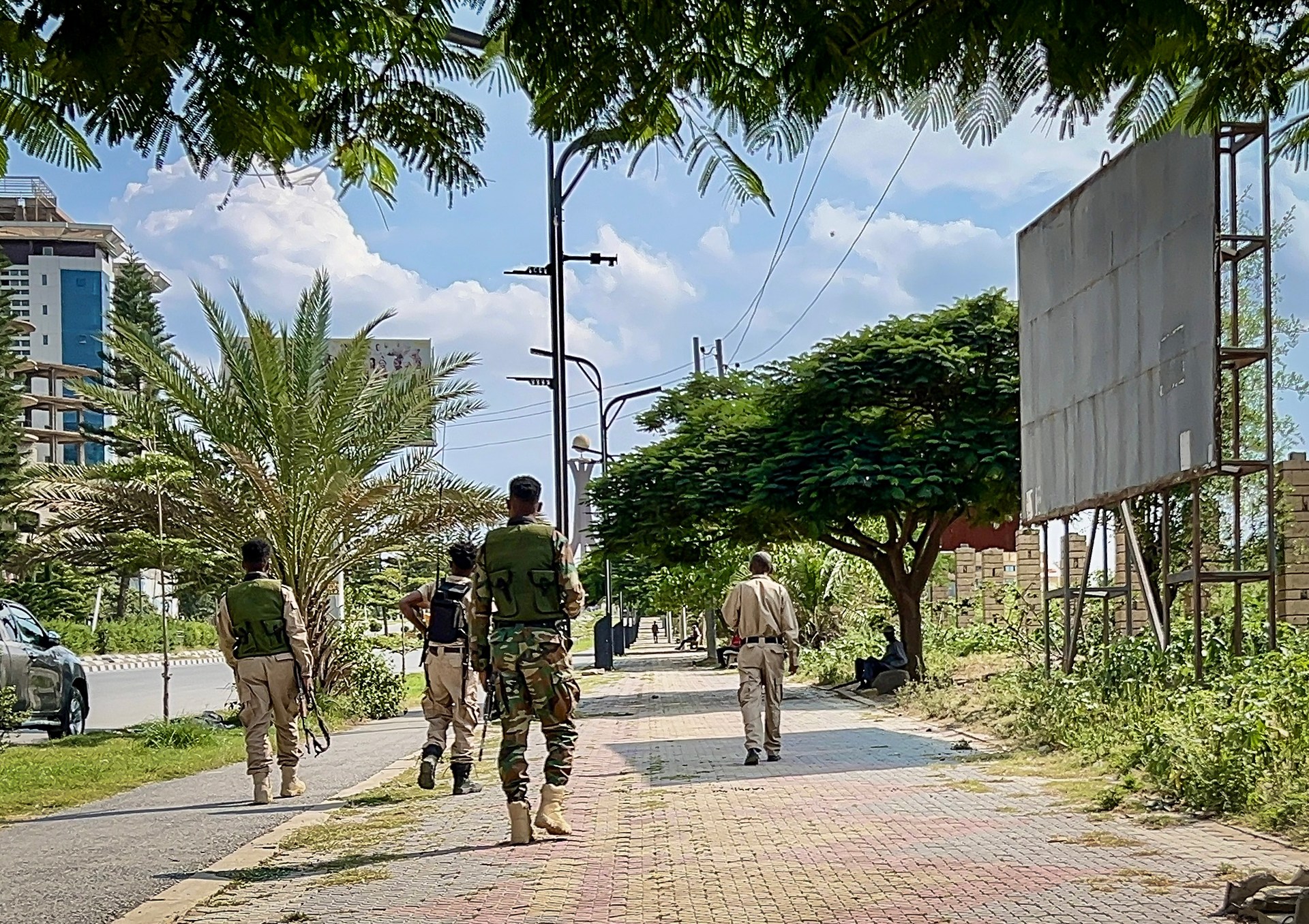
Escalating violence in Ethiopia's northern territories is fueling international concern that the Tigray region could face another devastating communications and supply cutoff, reminiscent of the devastating civil conflict that ended in late 2022. Authorities and aid organizations are monitoring the situation closely as military operations intensify in areas surrounding Tigray, where infrastructure remains fragile following years of warfare.
During the previous civil war, which lasted from 2020 to 2022, Tigray was almost entirely sealed off from the outside world, leaving humanitarian organizations unable to deliver critical aid and leaving residents without reliable information about conditions beyond their immediate surroundings. The isolation contributed significantly to widespread famine, disease, and civilian casualties throughout the conflict.
The renewed fighting threatens similar consequences for the region's seven million residents, many of whom are still recovering from the trauma and material devastation of the earlier conflict. Power infrastructure in Tigray remains fragile, and a fresh round of hostilities could quickly degrade the limited electricity and telecommunications services that have been painstakingly restored since the ceasefire.
International humanitarian organizations have called for urgent action to maintain access corridors and prevent a repeat of the communications blackout that hampered aid delivery and international oversight during the previous war. Diplomatic efforts are underway to prevent further escalation and preserve civilian access to essential services.