World · Singapore Bureau
EU explores Singapore's Wolbachia model to tackle dengue epidemic
European health authorities are investigating the feasibility of adopting Singapore's Project Wolbachia, a novel mosquito control programme that has achieved dramatic reductions in disease-carrying insect populations. The initiative has demonstrated an 80 to 90 per cent drop in mosquito populations at deployment sites.
LSN Singapore ·
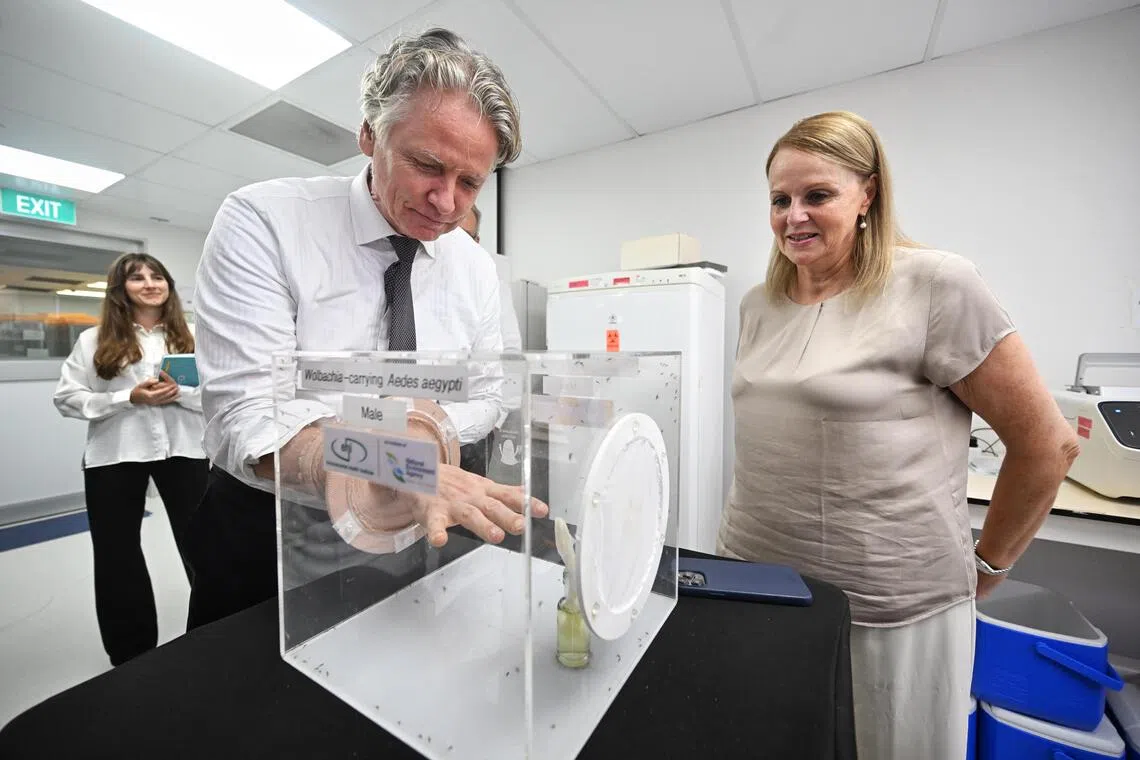
Singapore's Project Wolbachia has emerged as a potential template for European efforts to combat dengue fever, as the European Union examines the viability of replicating the programme across member states. The initiative, which introduces Wolbachia bacteria into wild mosquito populations to reduce their ability to transmit dengue, has delivered substantial results in its Singapore deployment.
Results from Project Wolbachia sites show mosquito populations have plummeted by 80 to 90 per cent, demonstrating the method's effectiveness in controlling Aedes aegypti mosquitoes, the primary vectors of dengue transmission. This dramatic decline has prompted heightened international interest in the approach as a scalable solution to dengue management.
The EU's feasibility study reflects growing concern over dengue transmission in Europe, particularly as climate change expands the geographic range of disease-carrying mosquitoes. By examining Singapore's experience, European authorities aim to assess whether the Wolbachia approach can be adapted to regional climatic conditions and regulatory frameworks across different EU jurisdictions.
Project Wolbachia represents a shift toward biological control methods as an alternative to traditional insecticide-based programmes. If the EU determines the approach is viable, it could accelerate the deployment of Wolbachia technology across European cities facing dengue risks.