Politics · India Bureau
EU's regulatory shift reshapes market access for Indian exporters
European Union trade barriers have fundamentally transformed, with regulatory compliance now replacing traditional tariffs as the primary gatekeeper for market entry. Indian businesses seeking EU access must navigate an increasingly complex standards landscape.
LSN India ·
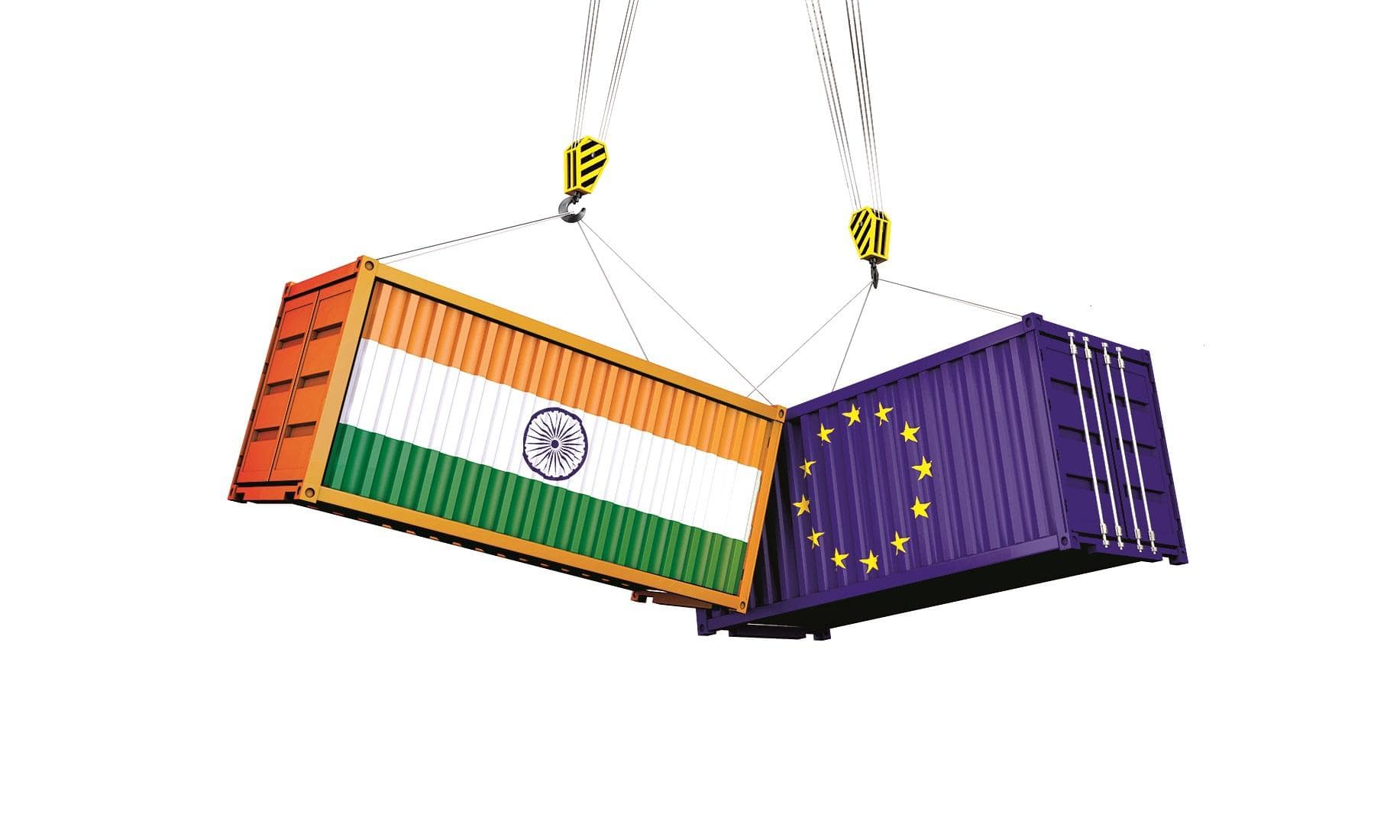
The European Union's approach to market protection has undergone a significant transition, moving away from conventional tariff-based restrictions toward stringent regulatory frameworks. This shift has profound implications for Indian exporters across sectors including pharmaceuticals, food products, electronics, and textiles, who must now contend with elaborate compliance requirements rather than simply managing import duties.
Regulatory barriers have become the de facto mechanism through which the EU controls market access. These include product safety standards, environmental certifications, data protection requirements, and sector-specific technical regulations. Meeting these standards often requires substantial investment in testing, certification, and process modification—costs that disproportionately affect smaller Indian enterprises lacking established compliance infrastructure.
The transition reflects a broader global trend where developed economies prioritize non-tariff measures to protect domestic industries and consumers. For Indian manufacturers, the regulatory pathway demands early engagement with EU standards bodies, investment in quality assurance systems, and often partnership with local certification agencies. Industries like food processing and automobiles face particularly stringent requirements spanning packaging, emissions, and safety protocols.
Businesses seeking EU market penetration must now adopt a compliance-first strategy, incorporating regulatory requirements into product development rather than treating them as post-manufacturing hurdles. Trade associations and government bodies in India are increasingly focusing on bridging the regulatory knowledge gap, recognizing that sustained EU market access depends on systematic adherence to evolving standards rather than competitive pricing alone.