World · World News Bureau
EU unveils fresh strategy to reduce economic reliance on China
The European Union is accelerating its de-risking agenda with the introduction of a new diversification mechanism aimed at reducing economic vulnerability to China. The tool is designed to help member states and European businesses identify alternative suppliers and markets, reducing concentration risk in critical sectors.
LSN World News ·
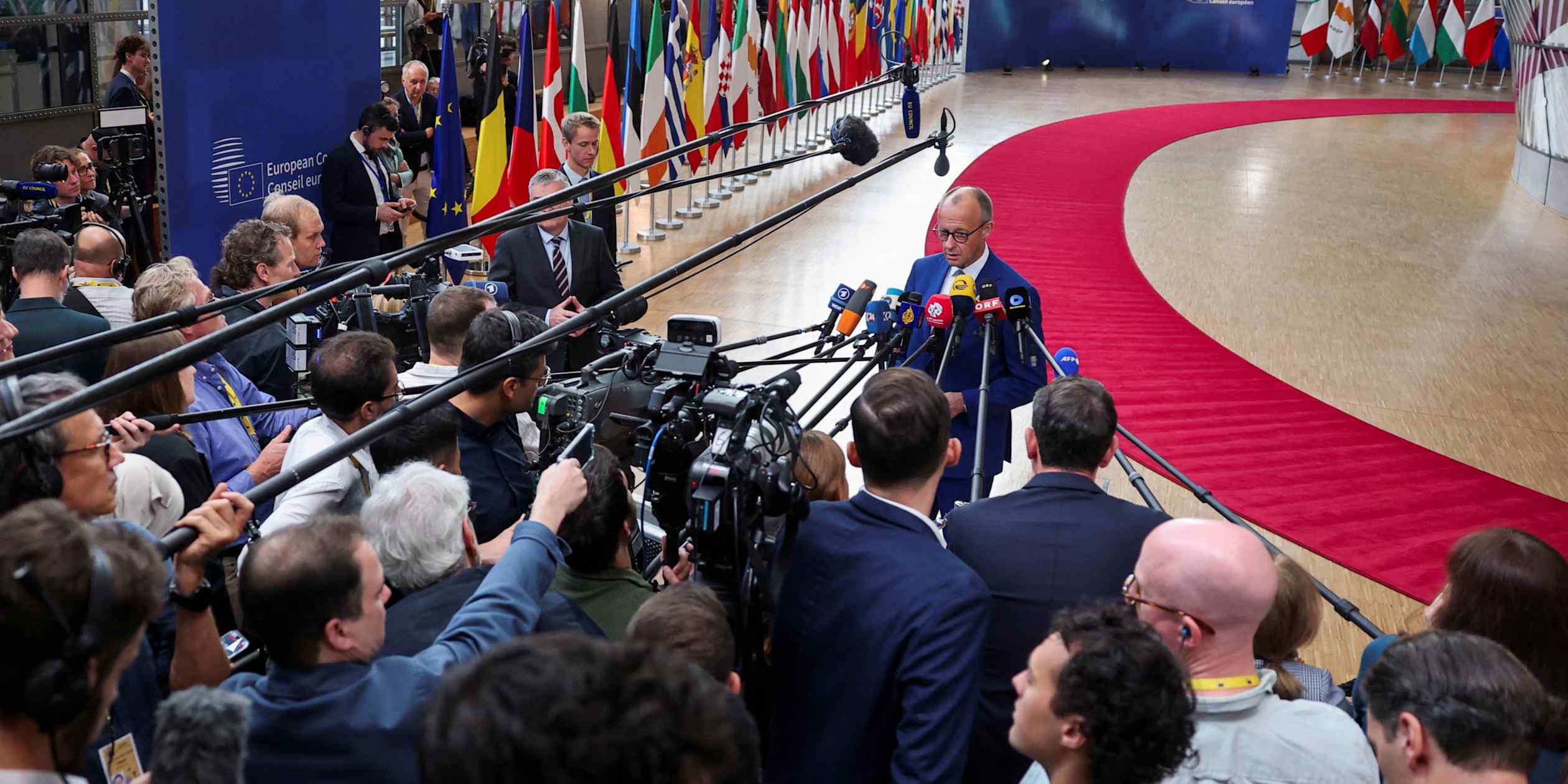
The European Union is accelerating its de-risking agenda with the introduction of a new diversification mechanism aimed at reducing economic vulnerability to China. The tool is designed to help member states and European businesses identify alternative suppliers and markets, reducing concentration risk in critical sectors including semiconductors, rare earth elements, and green energy components.
The initiative comes as EU policymakers grapple with the dual challenge of maintaining profitable trade relationships while addressing security concerns tied to over-reliance on Chinese supply chains. Recent geopolitical tensions, including disputes over Taiwan and increased Chinese investment scrutiny in Europe, have intensified calls for a more resilient economic posture.
Official EU guidance indicates the diversification mechanism will facilitate greater trade cooperation with trusted partners across South Asia, Southeast Asia, and other democratic nations. The strategy prioritizes countries with stable governance frameworks and compatible trade standards, allowing European firms to transition supply relationships without incurring prohibitive costs.
Member states are expected to integrate the new tool into their industrial and trade strategies over coming months. The EU has emphasized that de-risking does not constitute economic decoupling from China, but rather a calculated rebalancing to protect critical infrastructure and essential supply lines from potential disruption.