World · India Bureau
Eucalyptus trees fail to solve Australia's soil salinity crisis
Australia's long-standing efforts to combat soil salinity through eucalyptus plantations have proven ineffective due to underlying geological constraints. The strategy, once considered a promising solution, has fallen short of expectations in addressing the environmental challenge.
LSN India ·
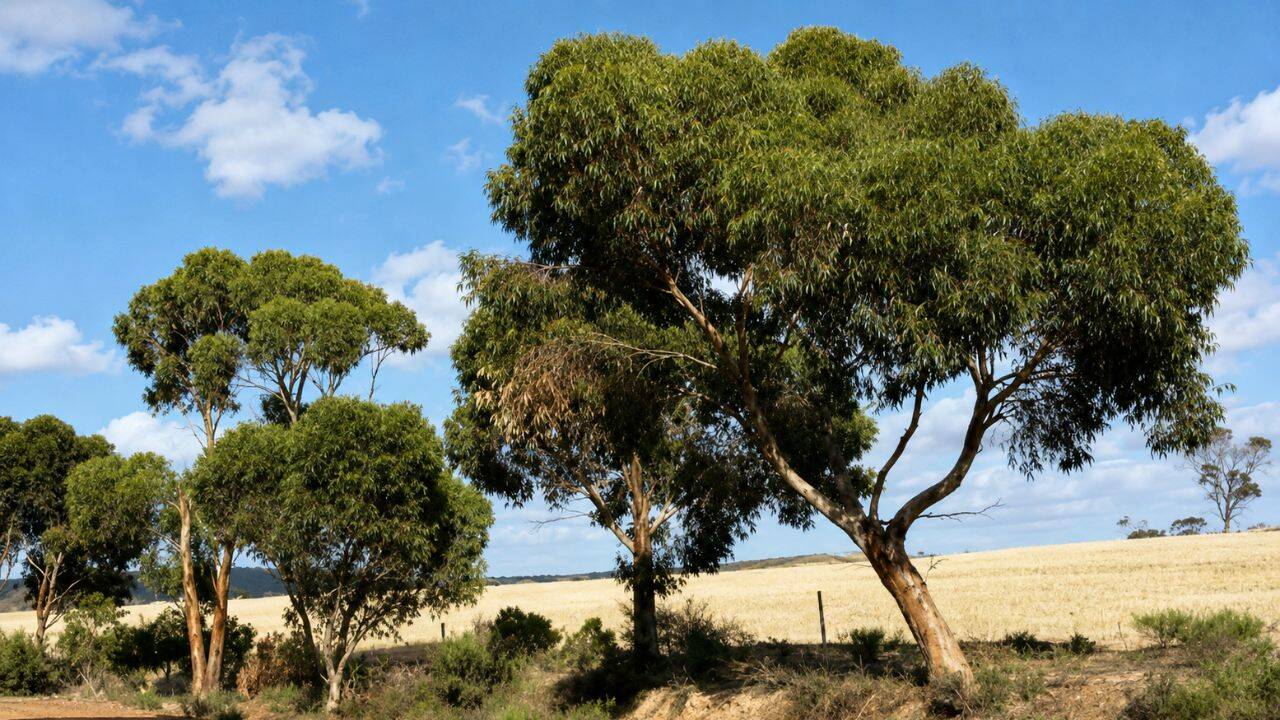
Australia has struggled for decades to manage soil salinity, a persistent environmental problem that degrades agricultural land and threatens ecosystem health. In response, authorities implemented large-scale programs to plant eucalyptus trees, believing the deep-rooted species could draw saline water from the soil and reduce salt accumulation at the surface.
However, extensive field observations have revealed significant limitations to this approach. Geological factors—including the depth and composition of soil layers, water table characteristics, and regional hydrogeology—have constrained the effectiveness of eucalyptus plantations in many affected areas. In numerous cases, the trees have failed to access or adequately manage the salt-laden groundwater as intended.
Experts now acknowledge that while eucalyptus may provide localized benefits in specific conditions, it cannot serve as a universal solution to Australia's salinity problems. The geological complexity of affected regions varies considerably, requiring site-specific strategies rather than a one-size-fits-all approach.
The findings underscore the importance of understanding subsurface conditions before implementing large-scale environmental remediation projects. Researchers are now exploring complementary methods, including improved drainage systems, soil management practices, and targeted tree placement based on detailed hydrogeological assessments, to more effectively address the ongoing salinity crisis across the continent.