World · Malaysia Bureau
Europe faces critical choice between strategic autonomy and geopolitical reliance
European leaders are confronting a fundamental question about the continent's future role in global affairs, with analysts arguing that accepting a diminished middle-power status would leave Europe vulnerable to external pressures. The debate centers on whether Europe should pursue genuine strategic independence and democratic leadership on the world stage.
LSN Malaysia ·
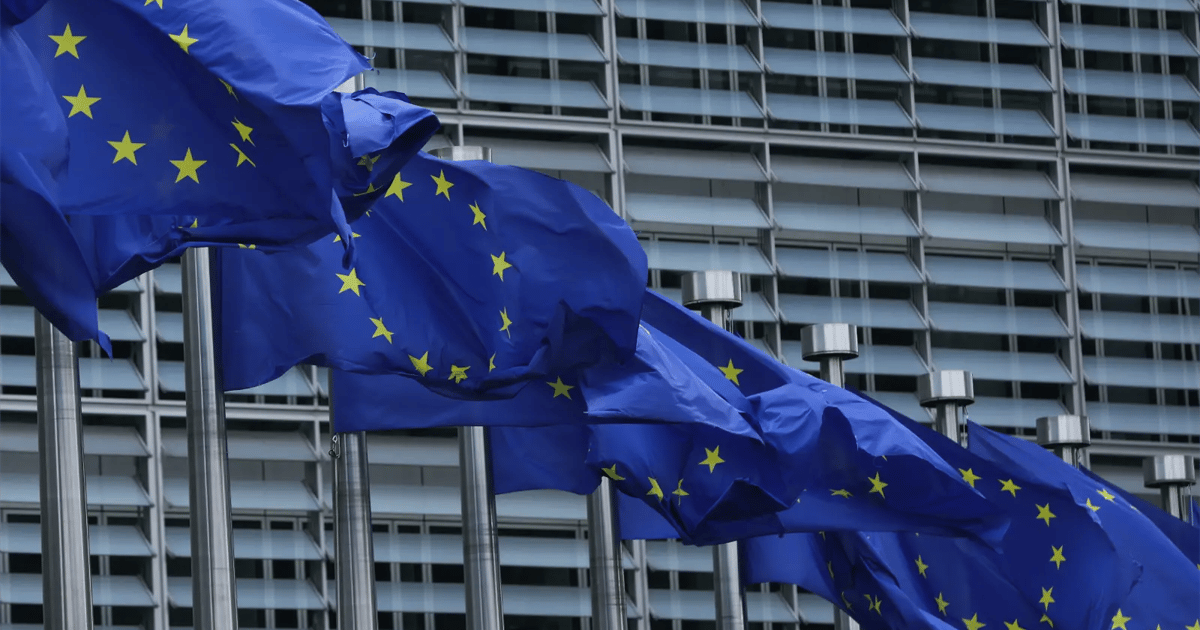
The European Union stands at a crossroads as policymakers grapple with questions about the continent's long-term strategic position and influence in an increasingly multipolar world. Rather than settling into a secondary role defined by dependence on external powers, proponents of European strategic autonomy argue the bloc must actively pursue a path toward genuine democratic superpower status—one characterized by military, economic, and political strength coupled with adherence to democratic principles.
This perspective challenges the assumption that Europe's size or resources necessarily limit its global role. Advocates contend that with coordinated effort, the EU could develop the institutional structures, defense capabilities, and unified foreign policy apparatus necessary to operate independently on the world stage while maintaining its commitment to democratic governance.
The stakes of this decision extend beyond Europe itself. How the continent chooses to exercise—or relinquish—its potential influence will shape regional security dynamics, trade relationships, and the broader balance of power in coming decades. The tension between pursuing genuine autonomy versus accepting a more dependent position reflects deeper questions about European identity and values in an era of great power competition.
European institutions and member states continue deliberating how to translate this strategic vision into concrete policy, including defense spending, technology development, and diplomatic coordination among the EU's 27 members.