World · Pakistan Bureau
Europe grapples with West Nile virus surge; 141 deaths reported in 2026
European health authorities are confronting a significant spike in West Nile virus cases this year, with confirmed deaths reaching 141 as human infections continue to climb across the continent.
LSN Pakistan ·
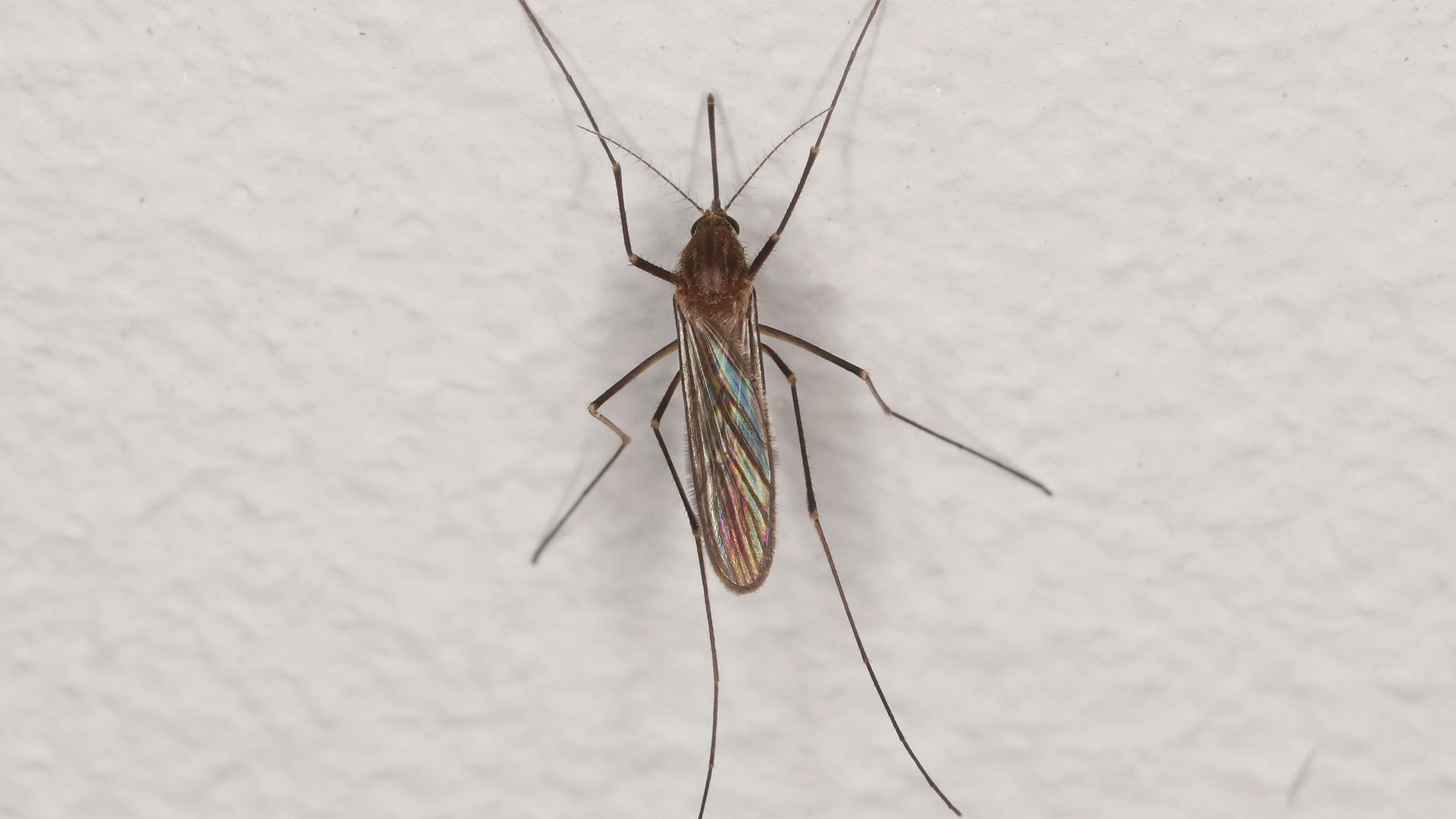
West Nile virus has emerged as a growing public health concern in Europe during 2026, with health officials reporting a substantial increase in confirmed cases and fatalities compared to previous years. The virus, transmitted primarily through mosquito bites, has claimed 141 lives across European nations, prompting regional health agencies to intensify surveillance and prevention efforts.
The rising number of human infections reflects broader patterns of West Nile virus transmission in the region, with warmer climatic conditions and extended summer seasons potentially facilitating mosquito breeding and viral spread. Public health authorities have attributed the surge partly to increased mosquito populations in certain areas and heightened detection capabilities that enable more accurate case identification.
European health systems have activated enhanced monitoring protocols and issued guidance to healthcare providers regarding diagnostic procedures and patient management for West Nile virus infections. Citizens in affected regions have been advised to take precautions against mosquito bites, including the use of insect repellents and protective clothing, particularly during dawn and dusk hours when mosquito activity peaks.
The outbreak underscores the continuing threat posed by vector-borne diseases in Europe and the importance of sustained epidemiological surveillance, mosquito control initiatives, and public awareness campaigns. Health authorities remain committed to tracking transmission patterns and implementing targeted interventions to mitigate further spread of the virus across the continent.
Photo: A Culex pipiens complex mosquito, the main carrier of West Nile virus in Europe, Denmark, September 2018. Donald Hobern via Wikimedia Commons (CC BY 2.0).