World · World News Bureau
Europe's Far-Right Surge Poses Fresh Challenge to Western Ukraine Unity
Rising support for far-right parties across Europe threatens to fracture consensus on Russia policy and Ukraine support, as nationalist movements increasingly question sanctions and military aid to Kyiv.
LSN World News ·
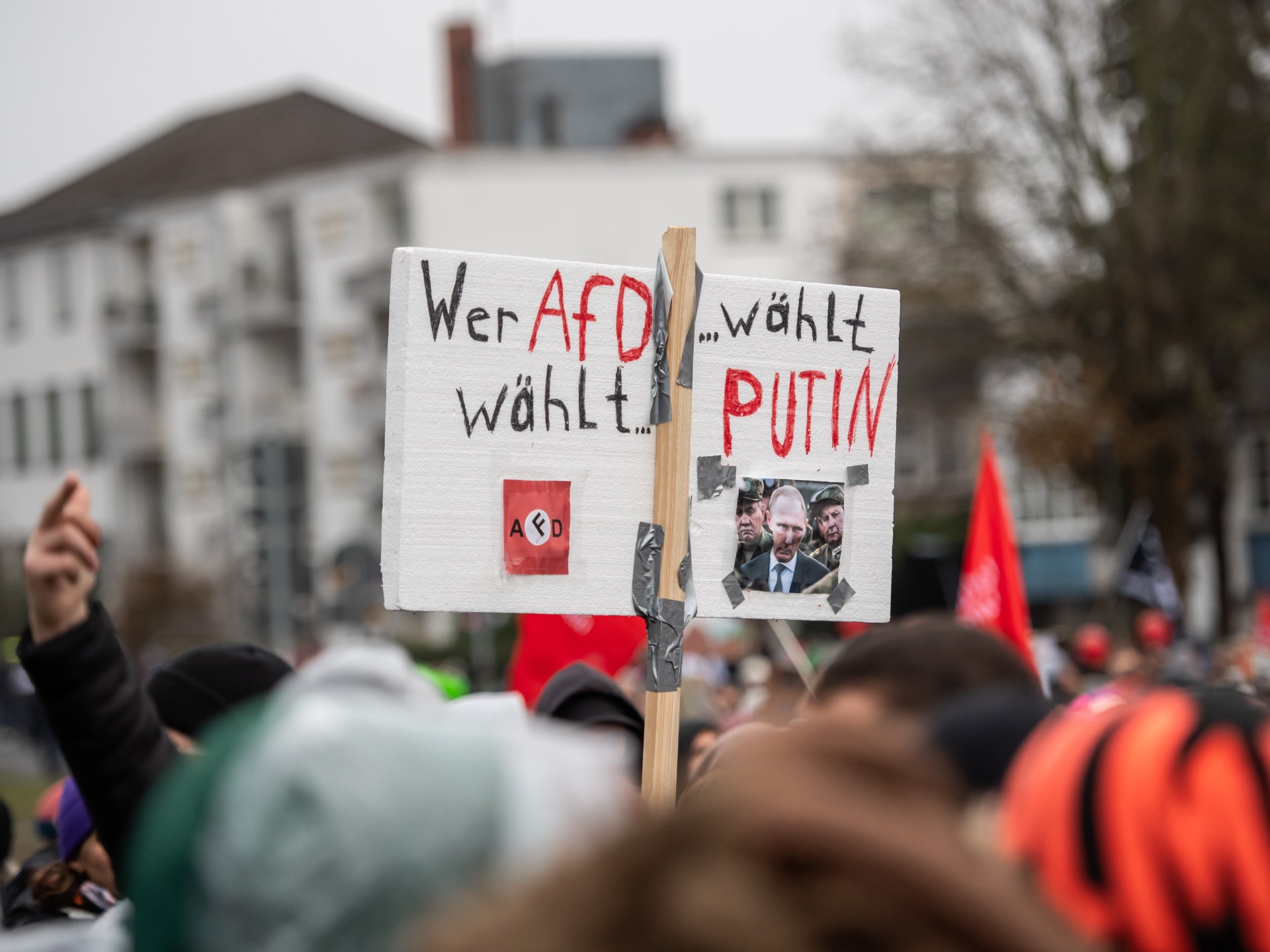
Far-right political movements gaining traction across Europe are increasingly challenging the continent's unified stance on Russia and Ukraine, creating divisions that Moscow may seek to exploit. Nationalist parties in multiple countries have questioned the sustainability of economic sanctions against Russia and expressed skepticism toward sustained military support for Ukraine, potentially weakening the coordinated Western response that has defined policy since Russia's 2022 invasion.
The electoral advances of far-right parties in recent years have provided platforms for politicians who view the Ukraine conflict through a different lens than mainstream European leadership. Many of these movements prioritize national interests and reduced international entanglement over collective security arrangements, a stance that diverges sharply from the consensus among traditional center-left and center-right parties backing robust Ukraine assistance.
Analysts warn that further gains by these parties could translate into genuine policy shifts, particularly in countries where far-right movements hold significant parliamentary representation. Questions about NATO spending, arms transfers to Ukraine, and the durability of sanctions regimes could become flashpoints in domestic political debates across multiple European capitals.
The challenge underscores how domestic political fragmentation is increasingly intersecting with foreign policy in ways that may reshape Europe's geopolitical alignment. Whether mainstream parties can maintain cohesion on Russia policy despite growing internal political pressures remains a critical question for European unity in the coming years.