Culture & Entertainment · India Bureau
Europe's warming seas trigger marine ecosystem shifts across Atlantic and Mediterranean
Record ocean temperatures across European waters this summer have triggered significant changes in marine habitats and species populations, with kelp forests retreating and octopus numbers surging. The marine heatwaves have also allowed non-native species to expand into traditionally cooler waters, fundamentally altering local ecosystems.
LSN India ·
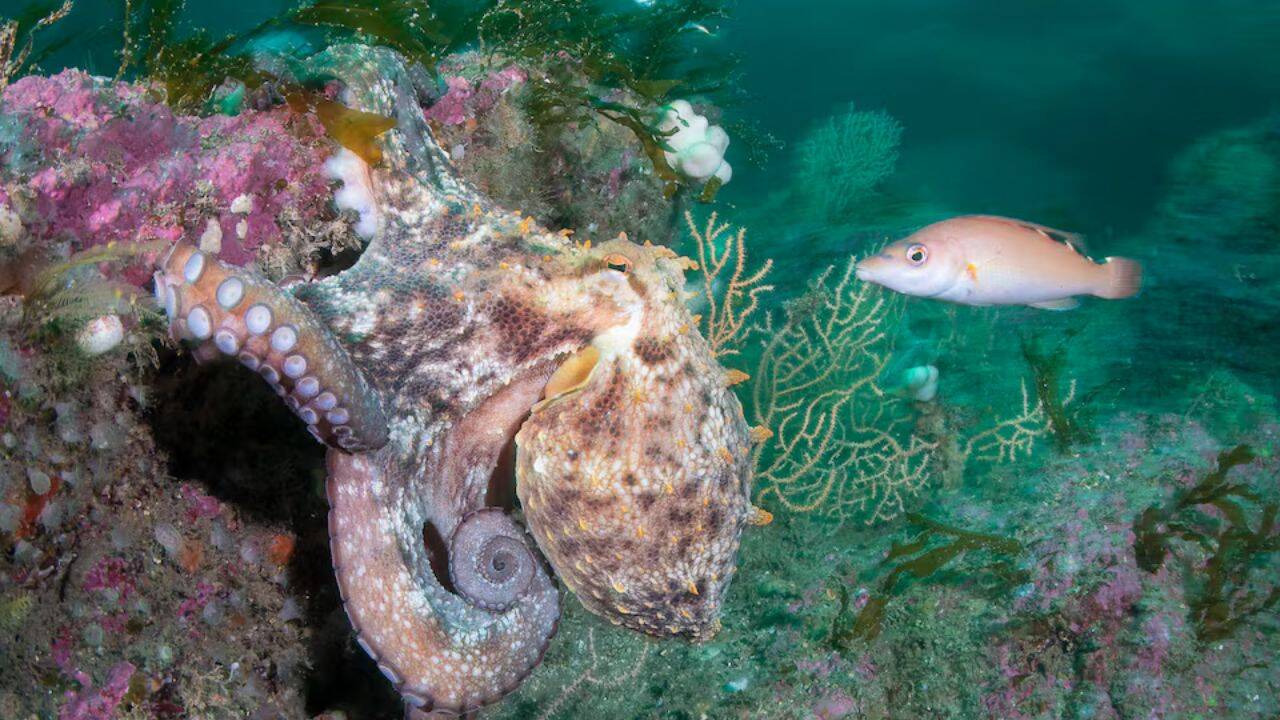
European seas experienced their hottest summer on record, with marine heatwaves persisting throughout the season and fundamentally disrupting established marine ecosystems. The Bay of Biscay, a critical fishing ground off the coasts of France and Spain, witnessed particularly pronounced temperature increases, signalling unprecedented stress on the region's marine environment.
The warming has already produced visible ecological shifts. Kelp forests in northern Spain have experienced sharp declines, destroying vital habitats that support diverse marine communities. These underwater forests serve as crucial nurseries for fish species and other marine organisms, and their loss threatens to cascade through local food webs and fishing-dependent communities.
Meanwhile, octopus populations are booming in southern England waters, a phenomenon directly linked to rising temperatures that have expanded their traditional habitat range northward. While the surge may appear beneficial, it has disrupted conventional fishing patterns and yields, forcing local fisheries to adapt to changing species distributions.
The warming waters have also created pathways for non-native species to colonise traditionally cooler Mediterranean regions. These invasive organisms are outcompeting native species and altering long-established food chains, creating ecological imbalances that scientists warn could take years to fully understand and potentially decades to reverse.