Business · World News Bureau
European business groups push for EU-ASEAN trade agreement
Following the European Union's trade deal with the Philippines, business organizations across Europe are now calling for a comprehensive trade pact with the broader ASEAN bloc to expand market access in Southeast Asia.
LSN World News ·
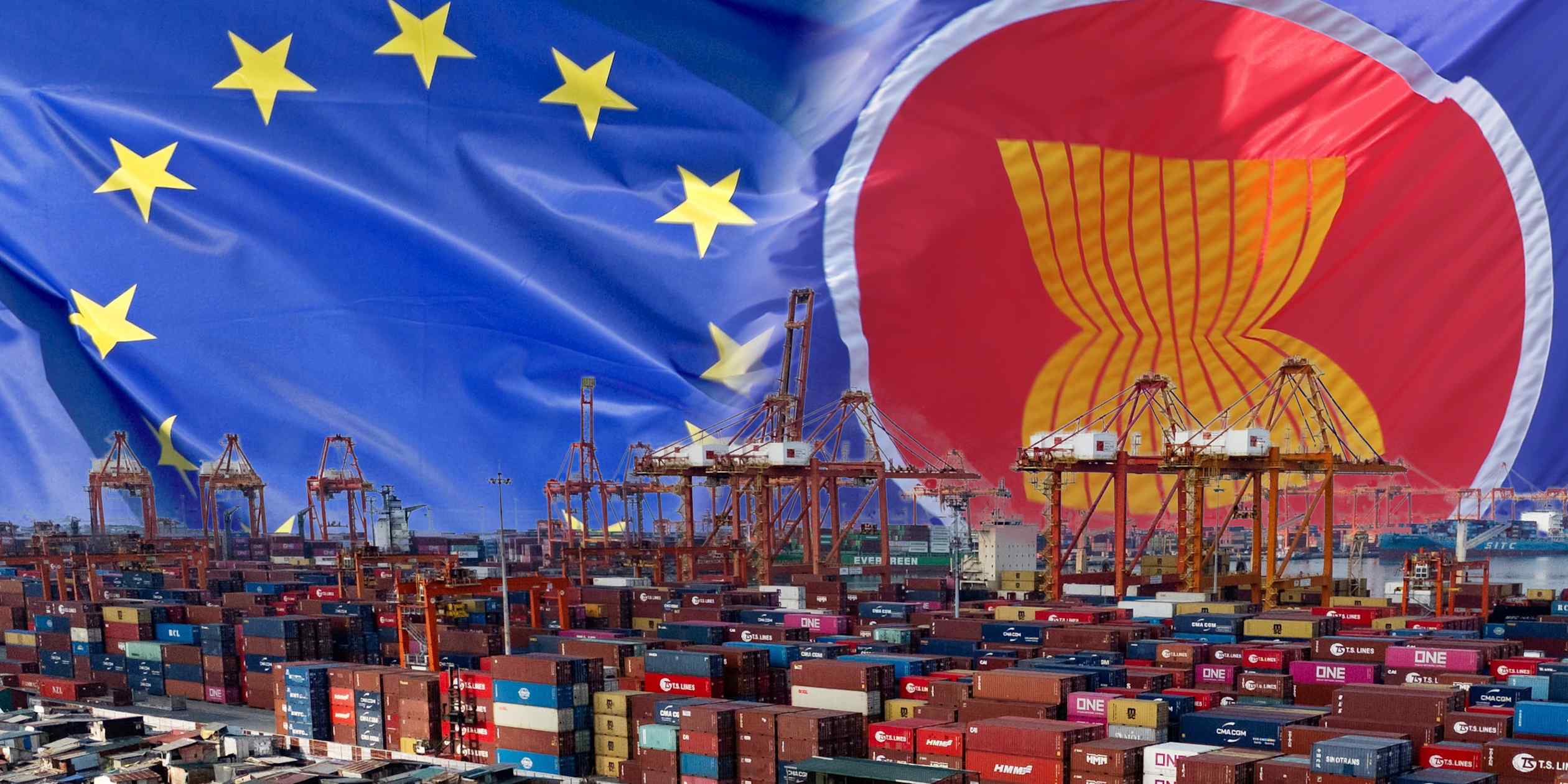
European business groups have renewed calls for a formal trade agreement between the European Union and the Association of Southeast Asian Nations, citing momentum from the EU's recent bilateral deal with the Philippines. The push reflects growing commercial interest in Southeast Asia's dynamic markets and represents an effort to deepen economic ties across the region.
Business representatives argue that a bloc-to-bloc arrangement would provide more comprehensive market access and clearer investment frameworks than individual bilateral agreements. They contend that coordinating with ASEAN as a unified entity would streamline trade procedures and reduce administrative burdens for European companies operating across multiple Southeast Asian markets.
The Philippines trade agreement has demonstrated the viability of EU-ASEAN commerce and serves as a template for broader engagement. European firms see significant opportunities in the region's growing consumer base, manufacturing capacity, and digital economy, though existing trade barriers and regulatory inconsistencies currently limit expansion prospects.
An EU-ASEAN trade pact would address structural impediments to commerce while establishing common standards for intellectual property protection, labor practices, and environmental compliance. Regional analysts note that such an agreement would position European businesses competitively against other major trading partners already established throughout Southeast Asia.
Diplomats and trade officials from both sides have indicated willingness to explore negotiations, though broader geopolitical considerations and divergent economic interests among ASEAN members present potential obstacles to reaching consensus on comprehensive terms.