World · World News Bureau
European centrist parties face electoral backlash over austerity policies
Mainstream European political parties are experiencing declining support as voters reject decades of budget-cutting policies that critics argue have deepened social inequality and economic hardship across the continent.
LSN World News ·
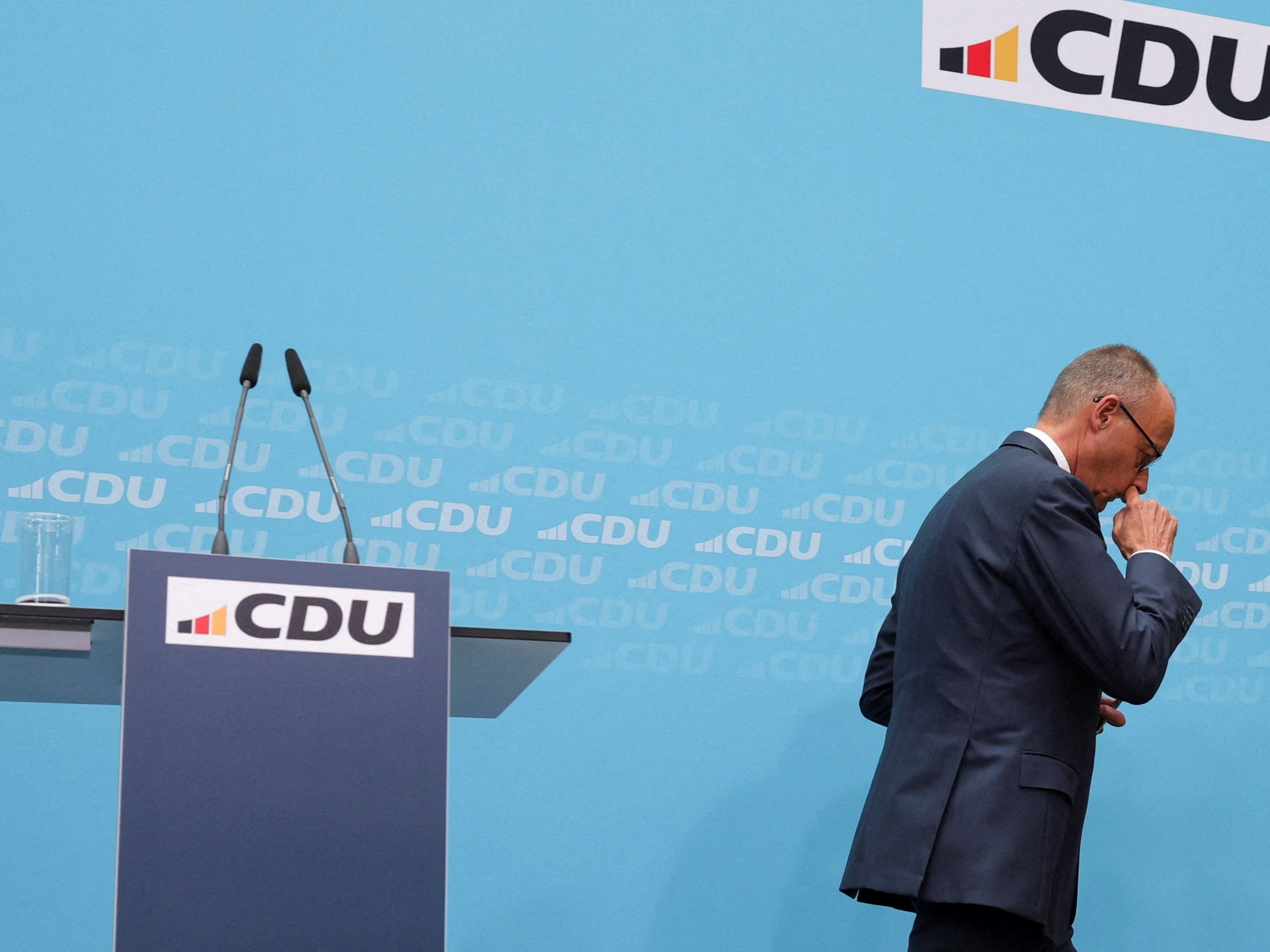
Centrist parties that have dominated European politics for generations are confronting a crisis of legitimacy as voters increasingly turn toward anti-establishment movements and parties on the political periphery. The shift reflects growing public dissatisfaction with mainstream economic policies that prioritized fiscal discipline over social spending, leaving segments of the population economically vulnerable and politically alienated.
Austerity measures implemented across Europe since the 2008 financial crisis have been blamed for widening wealth gaps, reducing public services, and prolonging economic stagnation in several countries. Healthcare systems, education, and social safety nets have faced sustained budget pressures, contributing to deteriorating living standards for lower and middle-income households. Public sector workers have experienced wage freezes and workforce reductions, while investment in infrastructure has declined.
The electoral consequences have been significant, with traditional centre-left and centre-right parties losing ground to populist, nationalist, and far-left alternatives. Younger voters and economically precarious workers have proven particularly susceptible to appeals from parties offering radical departures from established policy frameworks. In several countries, establishment parties have struggled to form governing coalitions as their combined vote shares have diminished.
Policymakers now face pressure to reconsider the economic consensus that guided European governance for decades. Some governments have begun moderating austerity approaches, recognizing that sustained budget-cutting may have counterproductive social and political consequences. The political realignment underway suggests that future European policy debates will center more directly on balancing fiscal responsibility with social investment demands.