Politics · World News Bureau
European governments face mounting pressure as protest movements spread
Across Europe, intensifying demonstrations reflect public frustration with economic hardship and social inequality. Governments are increasingly relying on security responses rather than addressing the root causes fueling discontent.
LSN World News ·
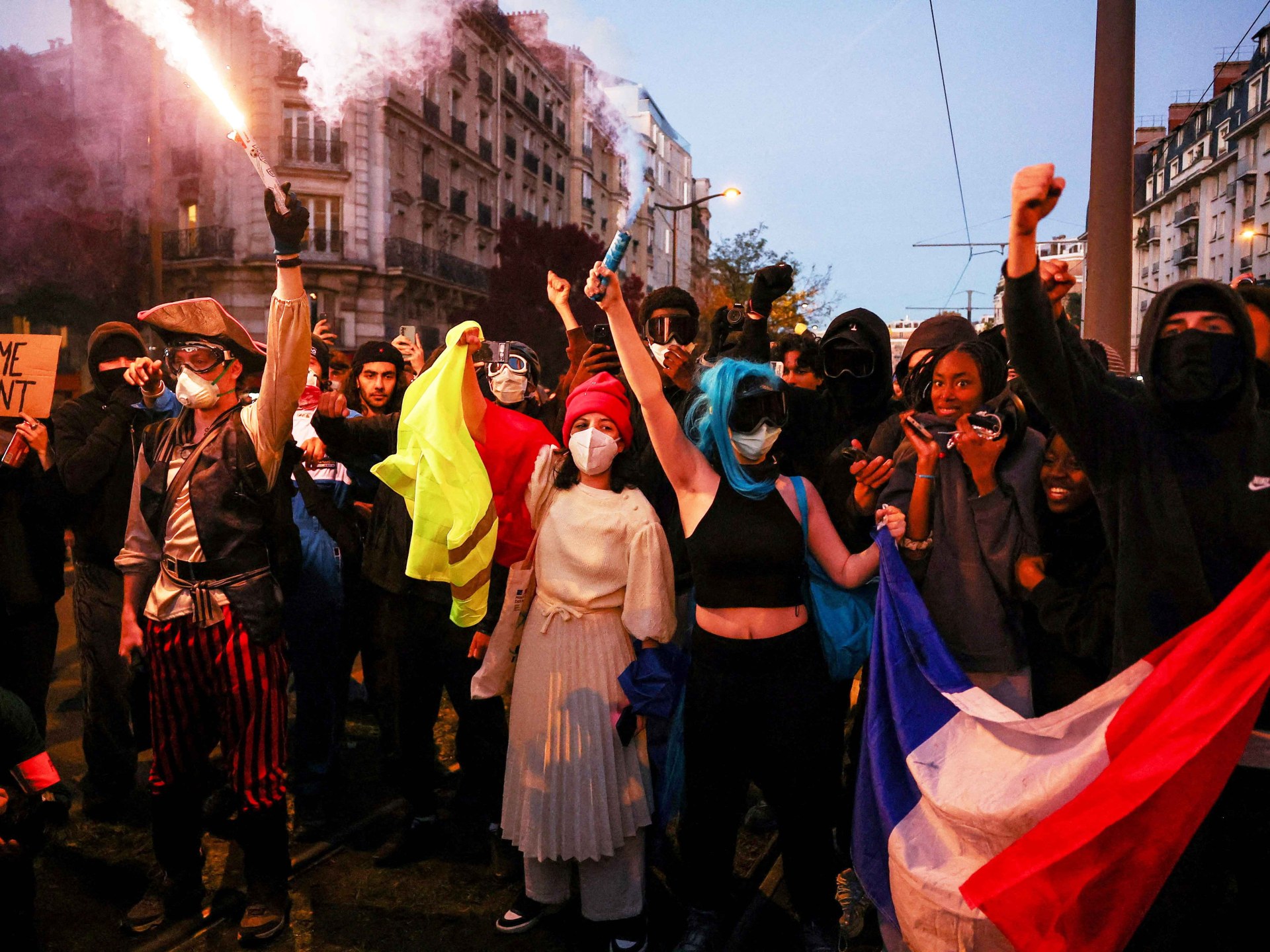
Widespread protests are testing the political resilience of European governments, as demonstrations grow in frequency and scale across the continent. The upheaval signals deepening fractures between citizens and policymakers over economic priorities, social services, and living standards.
European authorities have largely responded to the unrest through enhanced security measures, including increased police presence and restrictions on protest activities. Critics argue this approach treats symptoms rather than addressing underlying grievances driving demonstrators to the streets.
The protests reflect mounting anxieties over inflation, wage stagnation, housing costs, and cuts to public services. Citizens from diverse backgrounds are converging around shared concerns about economic inequality and the perceived disconnect between government policies and public welfare.
Policymakers face a widening credibility gap as security-focused responses fail to ease public anger. Political analysts suggest that without substantive engagement with demonstrators' economic and social demands, European governments risk further polarization and sustained civil unrest.
The pattern of protest activity across multiple European states underscores how synchronized economic pressures and policy choices are producing similar social tensions. Whether governments can pivot toward addressing structural issues while managing public order remains a defining challenge for European political leadership.