Business · World News Bureau
European nations boost Arctic strategy amid great power competition
EU member states are intensifying their presence in the Arctic region as Russia, China and the United States vie for strategic advantage. The shift reflects growing recognition that the polar frontier offers critical security and economic interests for Europe.
LSN World News ·
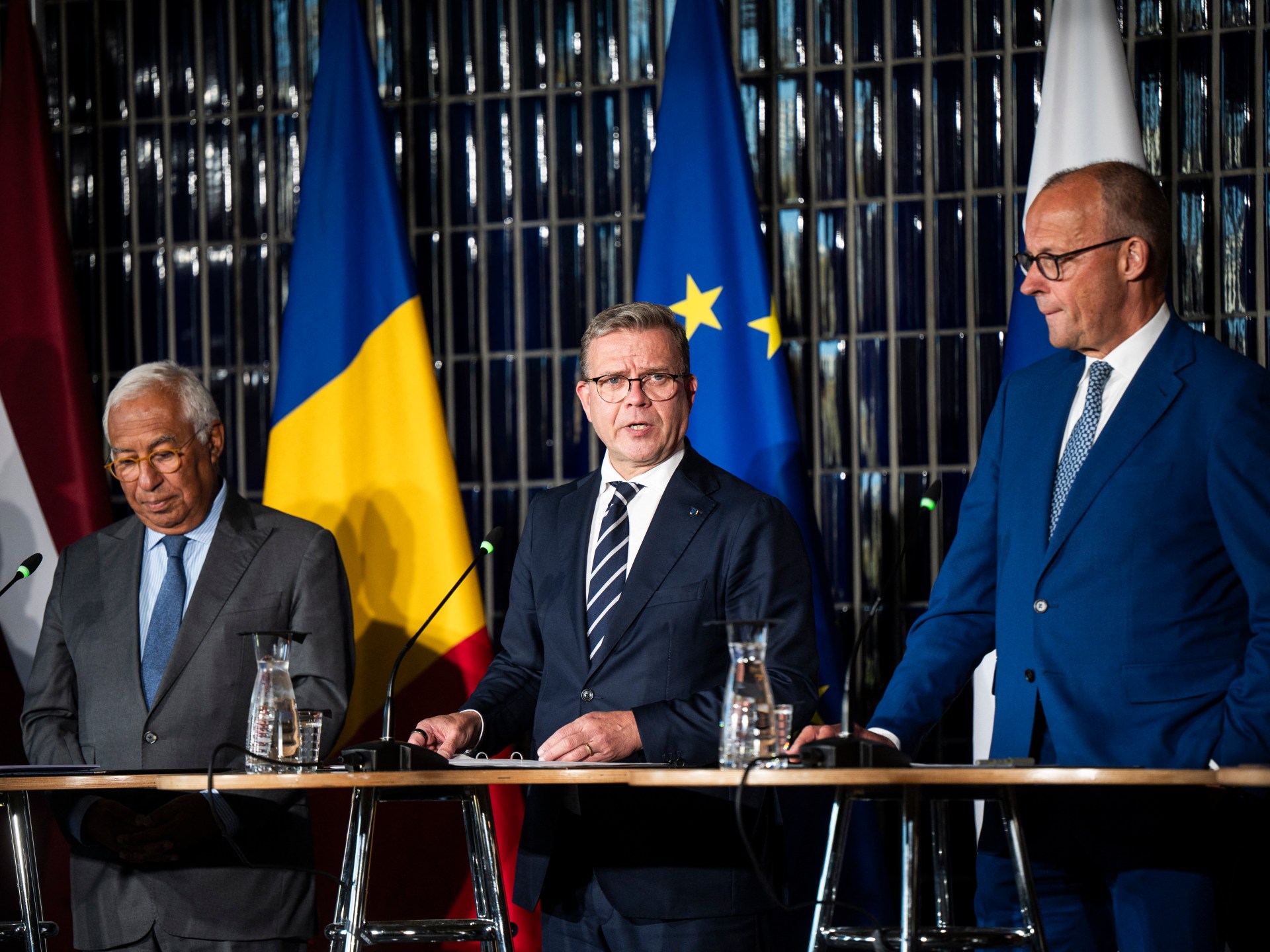
European governments are accelerating efforts to strengthen their Arctic footprint as geopolitical tensions reshape competition for the region's resources and strategic position. The move comes as major powers including Russia, China and the United States expand their military capabilities and economic investments across the polar north.
The Arctic has emerged as a focal point for international competition due to climate change, which is opening new shipping routes and making previously inaccessible mineral and energy reserves exploitable. Control over these routes and resources carries significant implications for global trade, energy security and military positioning.
EU states are pursuing a multipronged approach that includes enhanced military presence, infrastructure development and closer coordination on Arctic governance. Several Nordic and northern European countries have called for strengthened collective security arrangements and investment in capabilities to monitor and defend their Arctic interests.
The strategic competition reflects broader realignments in international relations, with the Arctic increasingly viewed as contested territory rather than a peripheral region. European policymakers have acknowledged that failure to match the commitments of rival powers could result in diminished influence over decisions shaping the region's future development and security architecture.
Arctic nations continue to operate within existing legal frameworks including the UN Convention on the Law of the Sea, though disagreements over maritime boundaries and resource rights remain sources of potential friction among competing powers.