World · India Bureau
Evolution of Maps Reflects Shifting Global Priorities and Technologies
Maps have evolved far beyond their traditional role as navigation tools, becoming instruments that reflect the priorities and perspectives of their creators and the societies they serve.
LSN India ·
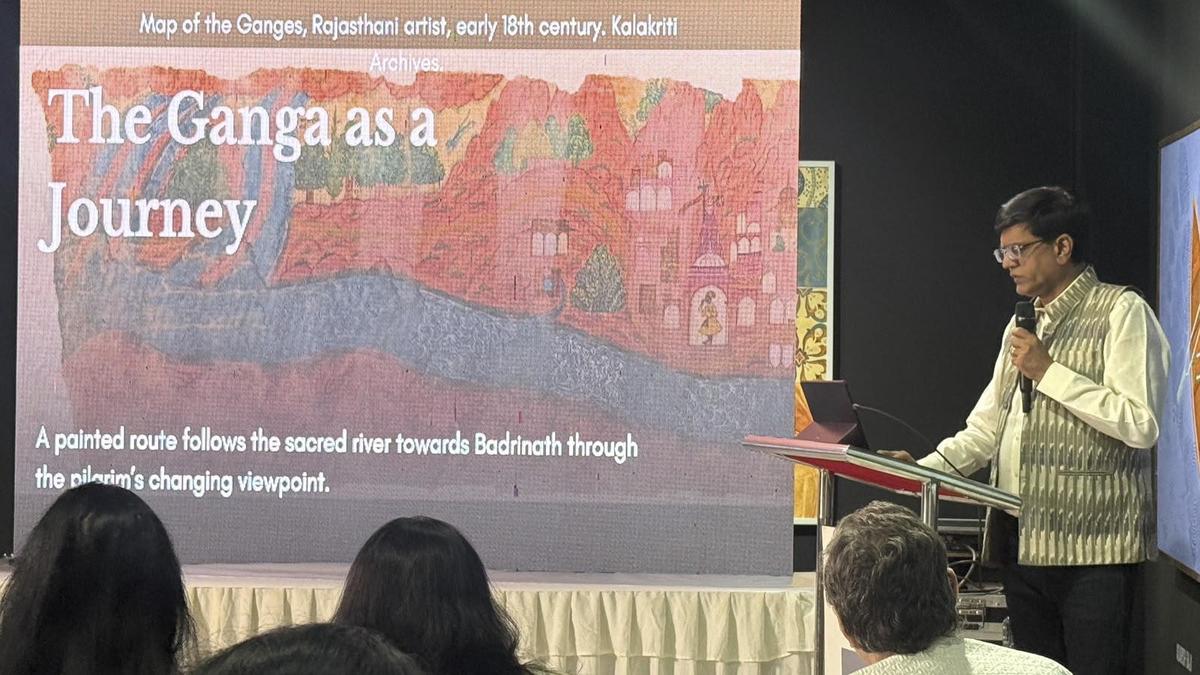
Maps have evolved far beyond their traditional role as navigation tools, becoming instruments that reflect the priorities and perspectives of their creators and the societies they serve. This transformation spans centuries, with each era's maps revealing what communities valued most—whether territorial claims, trade routes, natural resources, or demographic patterns.
Historically, maps functioned primarily as representations of political boundaries and geographic features essential for military campaigns and commerce. Colonial-era cartography reinforced territorial ambitions, while 19th-century maps emphasized industrial infrastructure and railways that facilitated economic expansion. The information encoded in these documents directly shaped policy, settlement patterns, and resource allocation.
In the contemporary era, digital mapping technologies have democratized cartographic production and consumption. Modern maps increasingly incorporate climate data, population flows, economic indicators, and social connectivity. Real-time mapping platforms now serve humanitarian purposes, urban planning, and disaster management—applications barely conceivable decades ago.
The shift reflects fundamental changes in how societies understand themselves and their relationships with geography. Where colonial maps emphasized conquest, contemporary digital maps often highlight interconnection. This evolution underscores a broader principle: cartography remains a powerful medium through which communities articulate their values, concerns, and visions for the future. As global challenges shift toward climate change, urbanization, and resource scarcity, maps continue adapting to illuminate these emerging priorities.