World · India Bureau
Examining the Impact of India's 2016 Demonetisation Decision
Eight years after Prime Minister Narendra Modi's landmark decision to withdraw high-denomination currency notes, the policy's far-reaching consequences continue to shape India's economic landscape and public discourse.
LSN India ·
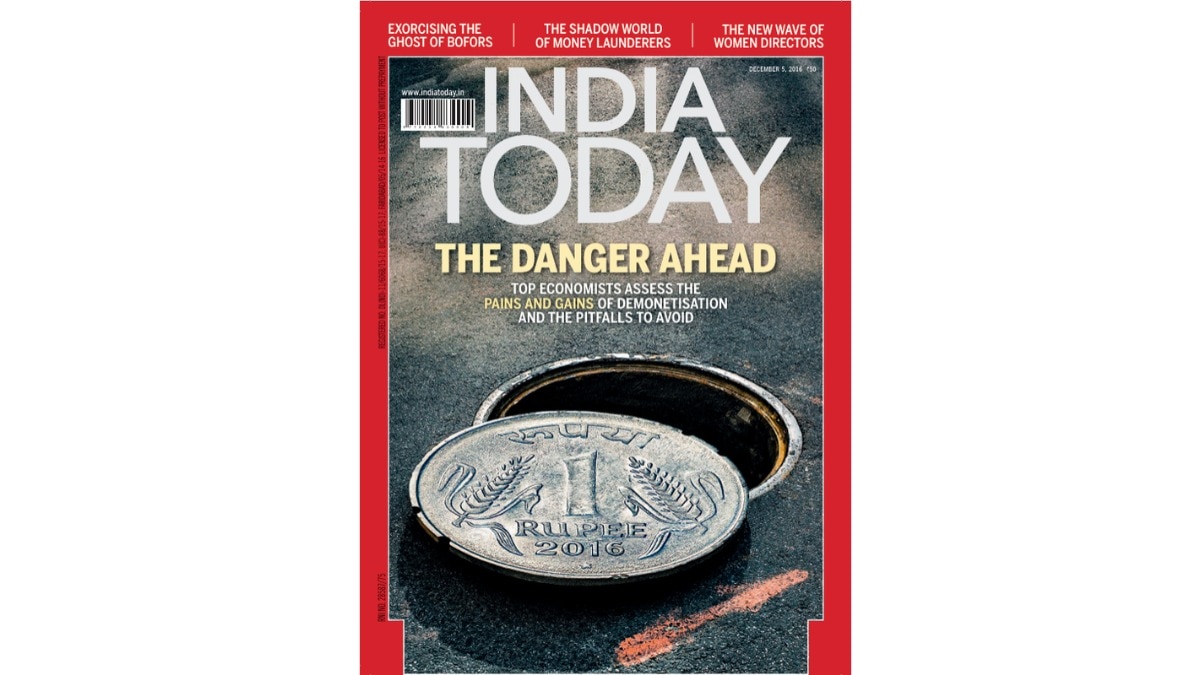
In November 2016, the Indian government announced one of the most significant monetary policy shifts in independent India's history, withdrawing ₹500 and ₹1,000 notes from circulation. The move, justified as a measure to combat black money, counterfeit currency, and terror financing, sent shockwaves through the nation's economy and society at large.
The immediate aftermath saw considerable disruption to daily economic activity. Businesses struggled with cash shortages, long queues formed outside banks and ATMs across the country, and the informal economy faced particular strain. Farmers, daily-wage workers, and small traders bore the brunt of the cash crunch, raising questions about the policy's social cost.
Economists remain divided on the demonetisation's long-term effects. While proponents argue it accelerated India's shift toward digital payments and formalized portions of the economy, critics contend that the short-term pain exceeded the promised benefits. Data on actual black money recovery and its impact on inflation, GDP growth, and employment became subjects of ongoing analysis and debate.
The policy also prompted broader conversations about monetary strategy, financial inclusion, and the balance between top-down economic interventions and their ground-level consequences. As years have passed, the episode continues to be scrutinized by policymakers, economists, and citizens evaluating its role in shaping modern India's economic trajectory.