Politics · India Bureau
Execution, not policy, India's real defence self-reliance challenge
While India's self-reliance framework in defence manufacturing is well-articulated, implementation bottlenecks and persistent technology gaps remain significant hurdles, according to a Morgan Stanley analysis. The report highlights that bureaucratic procurement processes continue to impede progress toward indigenous capability building.
LSN India ·
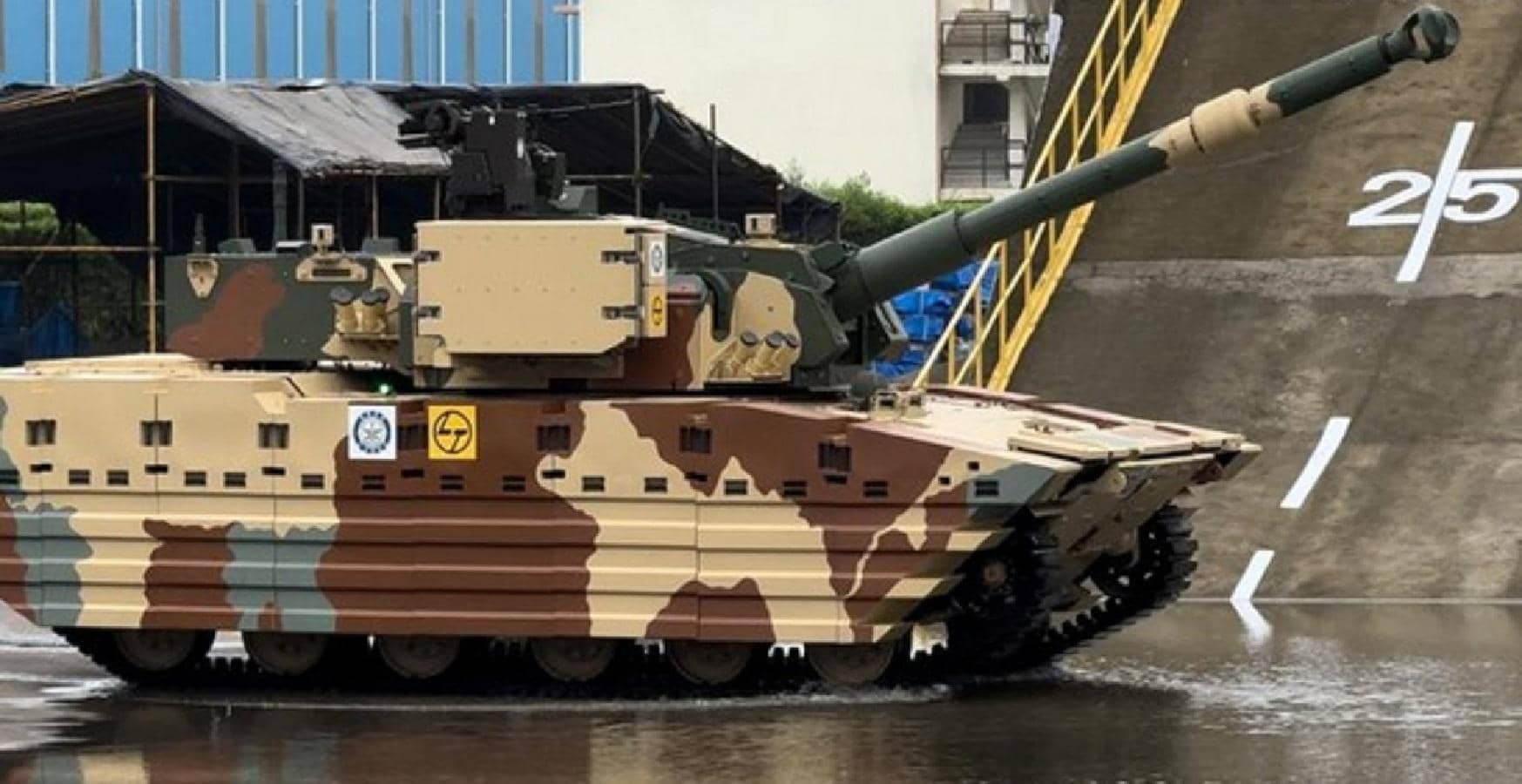
India's defence sector strategy prioritizes self-reliance through the Atmanirbhar Bharat initiative, but translating this policy into tangible results faces considerable obstacles, a major investment bank has cautioned. Morgan Stanley's defence sector report identifies implementation challenges as the primary constraint, even as the government's stated objectives remain sound.
Among the key impediments flagged are cumbersome procurement procedures that slow acquisition timelines and complicate vendor participation. These bureaucratic mechanisms, designed for oversight and accountability, often result in extended approval cycles that disadvantage domestic manufacturers competing for contracts and investment.
Technology gaps present another structural challenge to India's defence manufacturing ambitions. Indigenous industry continues to lag in specialized components, advanced materials, and cutting-edge systems integration capabilities essential for modern defence platforms. Closing these gaps requires sustained investment, research collaboration, and access to technical expertise.
The report underscores that India's defence self-reliance agenda cannot succeed through policy directives alone. Success hinges on streamlining administrative processes, fostering partnerships between government and private industry, and systematically addressing technological deficiencies through targeted research and development initiatives.