Business · World News Bureau
Expanded US Military Role in Latin America Threatens Regional Development
Growing American military engagement across Latin America risks diverting scarce resources from social programmes while potentially undermining democratic institutions, analysts warn. The shift reflects broader geopolitical competition reshaping defense priorities in the Western Hemisphere.
LSN World News ·
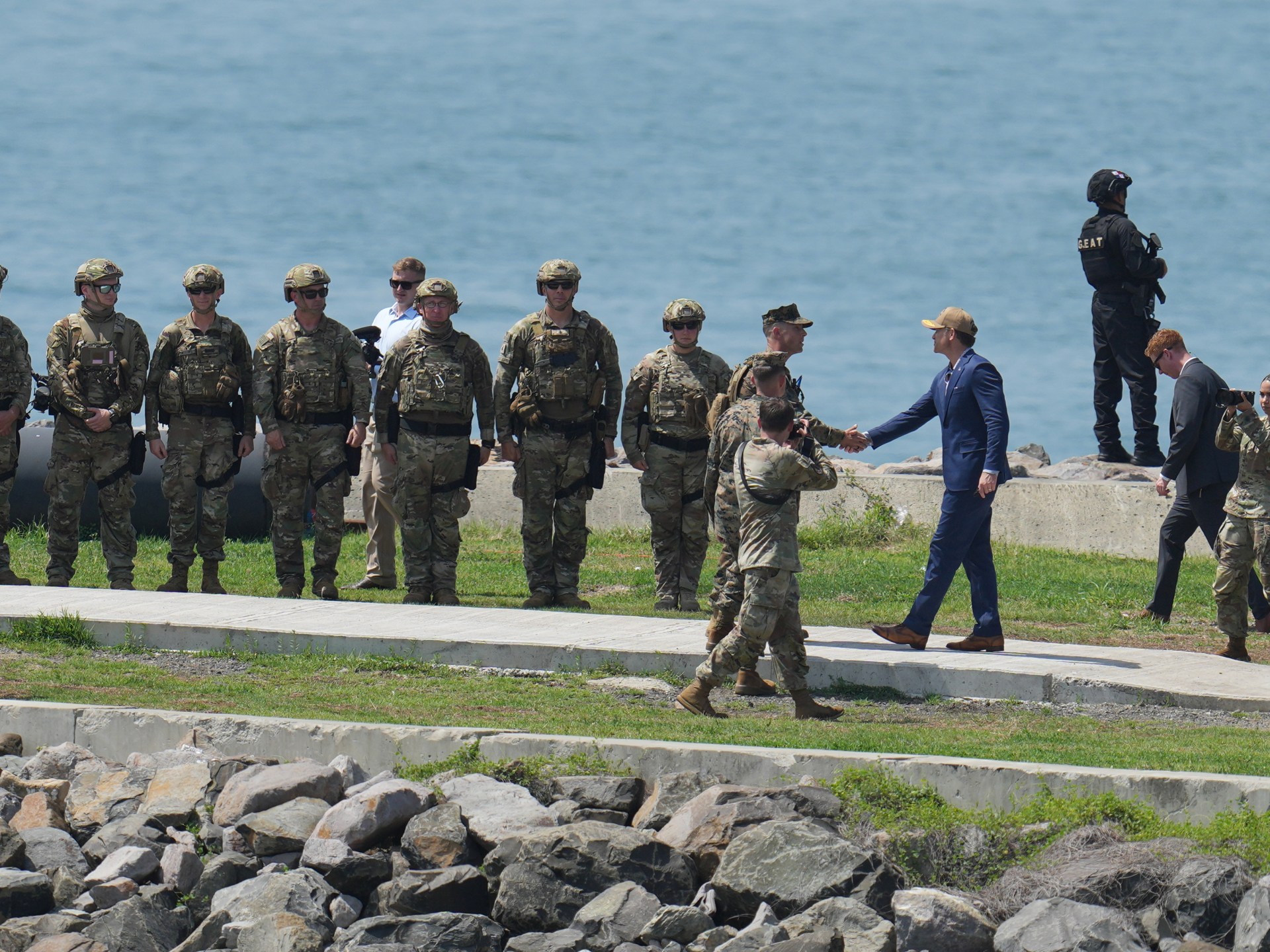
Increased US military involvement in Latin America appears poised to reshape the region's defence spending patterns, with potentially significant consequences for social investment and governance, according to regional observers. As Washington expands its military footprint through expanded deployments, training programmes, and defence partnerships, Latin American governments face mounting pressure to allocate larger portions of national budgets to military expenditures.
The reallocation of resources toward defence infrastructure and military capabilities threatens to squeeze funding for education, healthcare, and poverty-reduction initiatives across countries already grappling with limited fiscal capacity. Several nations in the region have struggled to balance security concerns with pressing social needs, and an acceleration in military spending could exacerbate existing inequalities and social grievances.
Experts also express concern that heightened militarization may weaken democratic oversight and civilian control of armed forces. Historical patterns in the region suggest that enlarged military budgets and expanded security operations can correlate with reduced parliamentary scrutiny, diminished institutional checks on military authority, and erosion of democratic accountability mechanisms.
The trend reflects broader strategic competition, as the United States seeks to counter growing influence from other global powers while addressing transnational security challenges. However, Latin American policymakers face difficult tradeoffs between responding to external security demands and addressing pressing domestic development priorities.