Business · Bangladesh Bureau
Experts outline strategies to strengthen Bangladesh food security systems
Policy experts and agricultural officials are emphasizing the need for improved food stock management and distribution networks to ensure stable supplies across Bangladesh. Addressing gaps in storage, logistics and market access could help reduce price volatility and food insecurity.
LSN Bangladesh ·
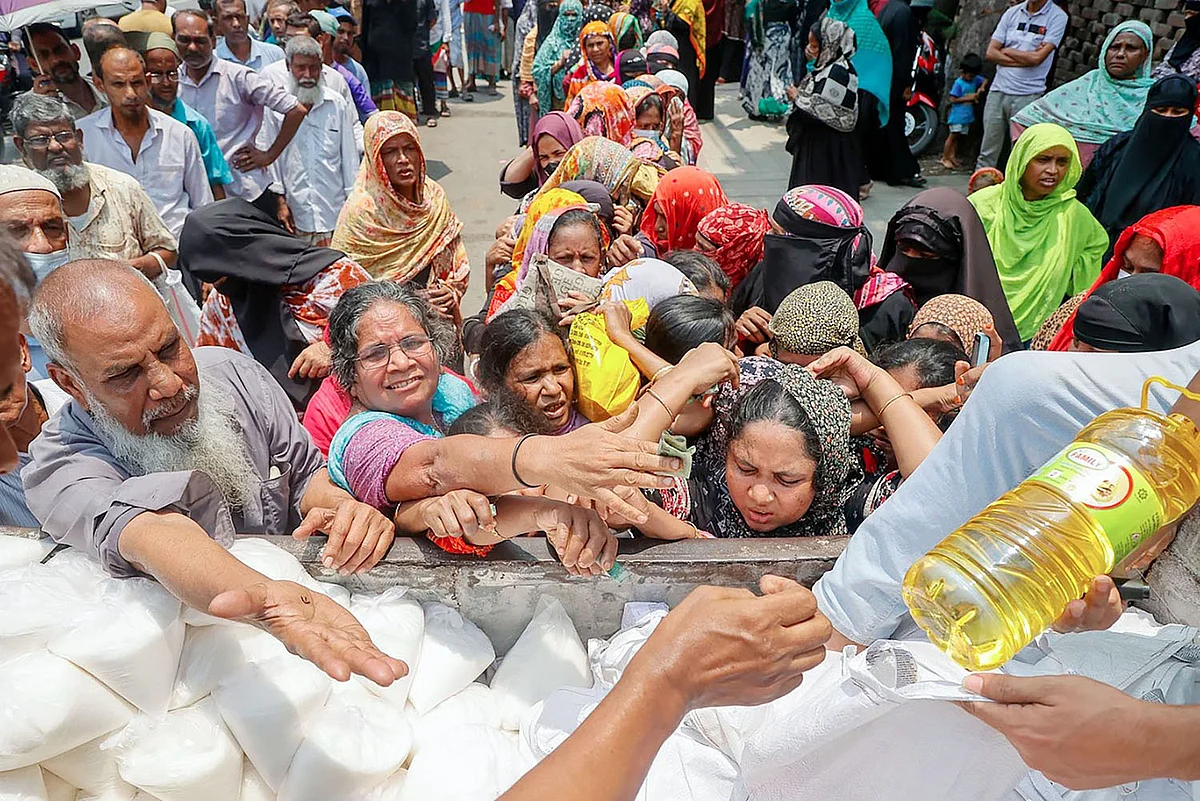
Bangladesh faces persistent challenges in maintaining adequate food reserves and ensuring equitable distribution to consumers across urban and rural areas. Current bottlenecks in the supply chain—from inadequate storage facilities to inefficient transportation networks—contribute to periodic shortages and price spikes that strain household budgets.
Agriculture and food security specialists suggest multi-pronged interventions to address these structural weaknesses. These include expanding grain storage capacity at district and sub-district levels, modernizing cold chain infrastructure for perishables, and investing in rural transportation networks to connect farmers directly to markets. Enhanced coordination between government procurement agencies and private traders could also help stabilize supplies.
Digitalization of inventory management systems and market information platforms would improve visibility across the food supply chain, enabling faster response to emerging shortages or gluts. Officials note that investment in agricultural research and improved crop varieties could boost domestic production to reduce import dependence.
Exports point to successful models in neighboring countries where government-led buffer stock initiatives, combined with targeted subsidies for vulnerable populations, have strengthened food security. Implementing similar approaches tailored to Bangladesh's context could yield measurable improvements in availability and affordability while supporting farmers' incomes.