World · Bangladesh Bureau
Experts urge better understanding of waterlogging and flood dynamics
Water management specialists are calling for a fundamental reassessment of how waterlogging and flooding are understood and addressed across South Asia. Improved comprehension of these phenomena, they argue, is essential for developing effective long-term solutions.
LSN Bangladesh ·
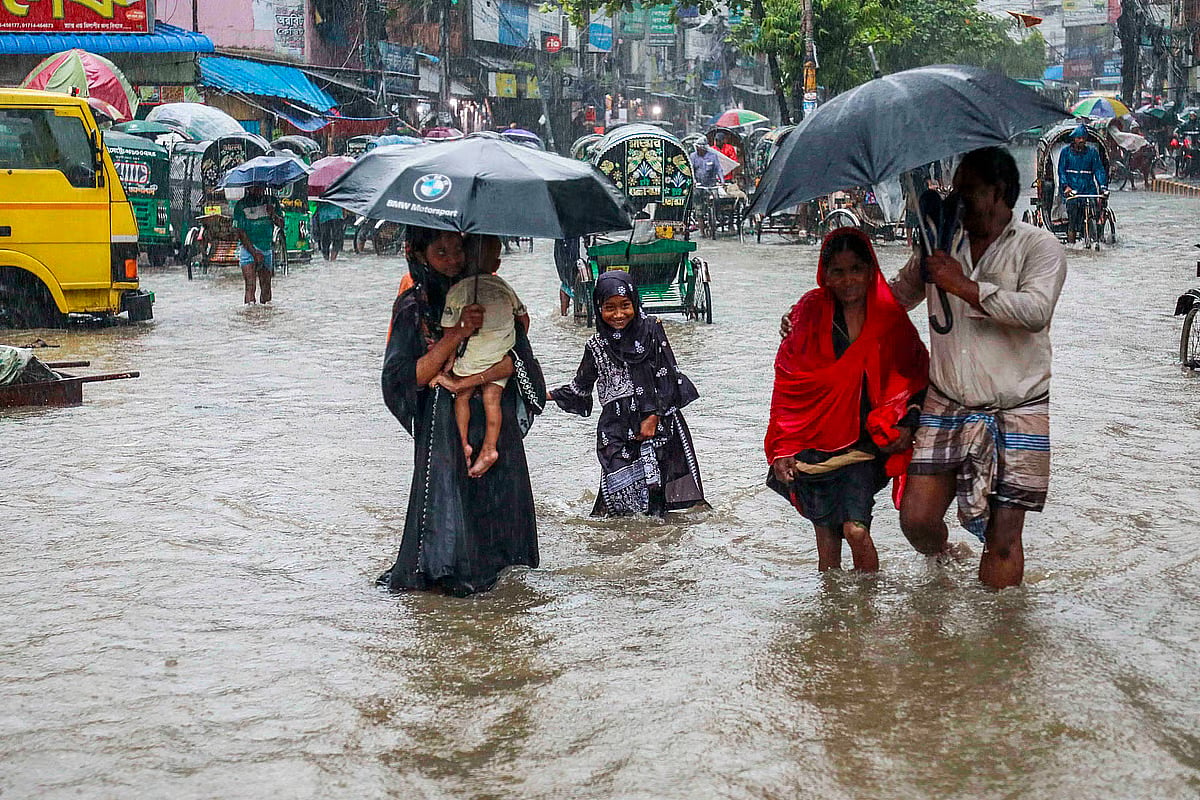
Regional water management authorities are increasingly recognizing that conventional approaches to tackling waterlogging and flooding may be insufficient without deeper understanding of the underlying causes and mechanisms at play. Experts contend that many interventions fail because they treat symptoms rather than addressing root factors driving these recurring disasters.
The distinction between waterlogging and flooding—often conflated in public discourse—requires clearer definition and differentiation, analysts say. Waterlogging typically refers to prolonged saturation of soil and agricultural land, while flooding involves rapid water overflow from rivers, drainage systems, or coastal sources. Each phenomenon demands distinct analytical frameworks and remedial strategies.
Water management specialists emphasize that effective policy responses must be grounded in comprehensive hydrological assessments, climate data analysis, and understanding of local geographical and infrastructural conditions. Without this foundational knowledge, investments in drainage systems, embankments, and water management infrastructure may yield limited results or even create unintended consequences.
Experts also highlight the importance of integrating traditional knowledge with modern scientific approaches, particularly in regions where communities have developed localized water management practices over generations. A more nuanced understanding of waterlogging and flooding dynamics, researchers suggest, will enable governments and development agencies to design interventions better suited to regional variations across South and Southeast Asia.