Politics · India Bureau
Extended regulatory life for clean-fuel vehicles may cut ownership costs
A government proposal to extend the operational lifespan of eligible clean-fuel commercial vehicles by five years could enhance total cost of ownership and boost residual values, though industry stakeholders flag battery expenses as a persistent concern.
LSN India ·
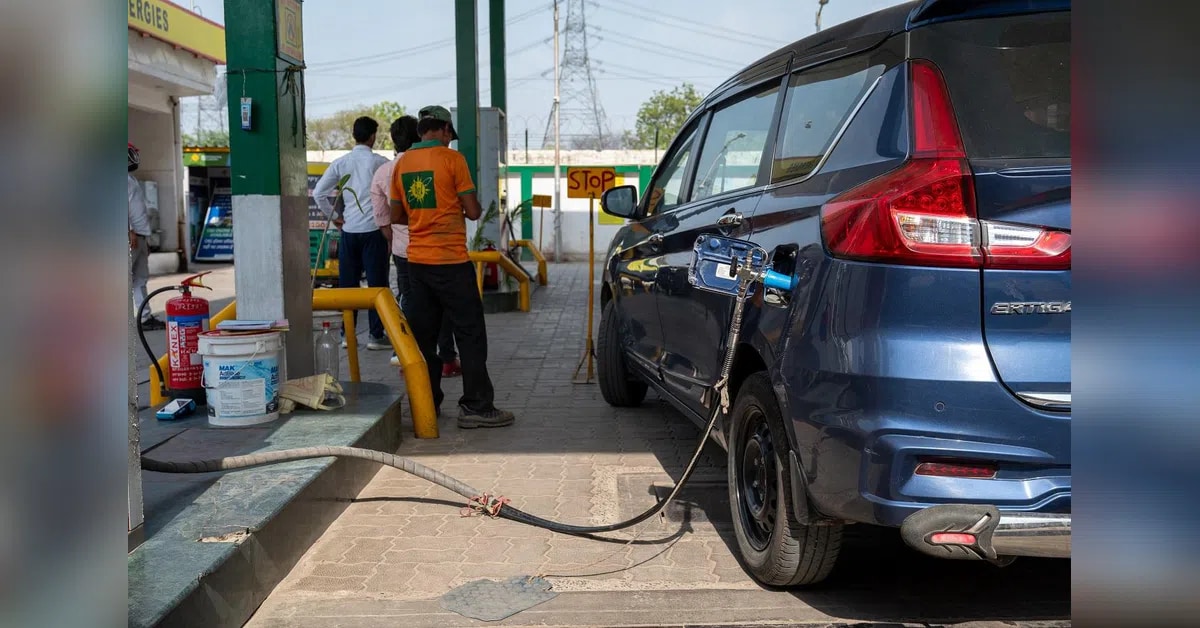
New Delhi's push to lengthen the regulatory life of clean-fuel commercial vehicles has drawn cautious optimism from the industry, with operators seeing potential improvements in the financial viability of such purchases. The extension, which would add five years to the permissible operational period for eligible vehicles, is expected to distribute capital costs over a longer timeframe and improve overall total cost of ownership metrics.
The extended lifecycle would also provide relief to fleet operators by potentially strengthening residual values as vehicles reach end-of-life, making clean-fuel alternatives more competitive against conventional diesel-powered counterparts. Improved resale prospects could help offset higher upfront acquisition costs that currently deter many commercial vehicle buyers from transitioning to cleaner technologies.
However, industry representatives have raised concerns about the sustainability of the proposal, with battery costs emerging as a significant obstacle. Battery expenses remain elevated compared to traditional powertrains, and without clarity on cost trajectories or incentives to offset these expenses, the financial benefits of the extended regulatory life may be insufficient to encourage widespread adoption among operators focused on near-term profitability.
Industry bodies are expected to engage with policymakers to ensure the regulatory framework adequately addresses battery cost volatility. The measure forms part of broader government efforts to accelerate the transition toward cleaner commercial vehicle fleets and reduce emissions in the transportation sector across India.