Technology · World News Bureau
Extended US Navy deployment raises questions over sailor welfare
Satellite monitoring reveals USS Lincoln carrier strike group remains deployed for an unusually prolonged period, prompting concerns about crew conditions and operational sustainability.
LSN World News ·
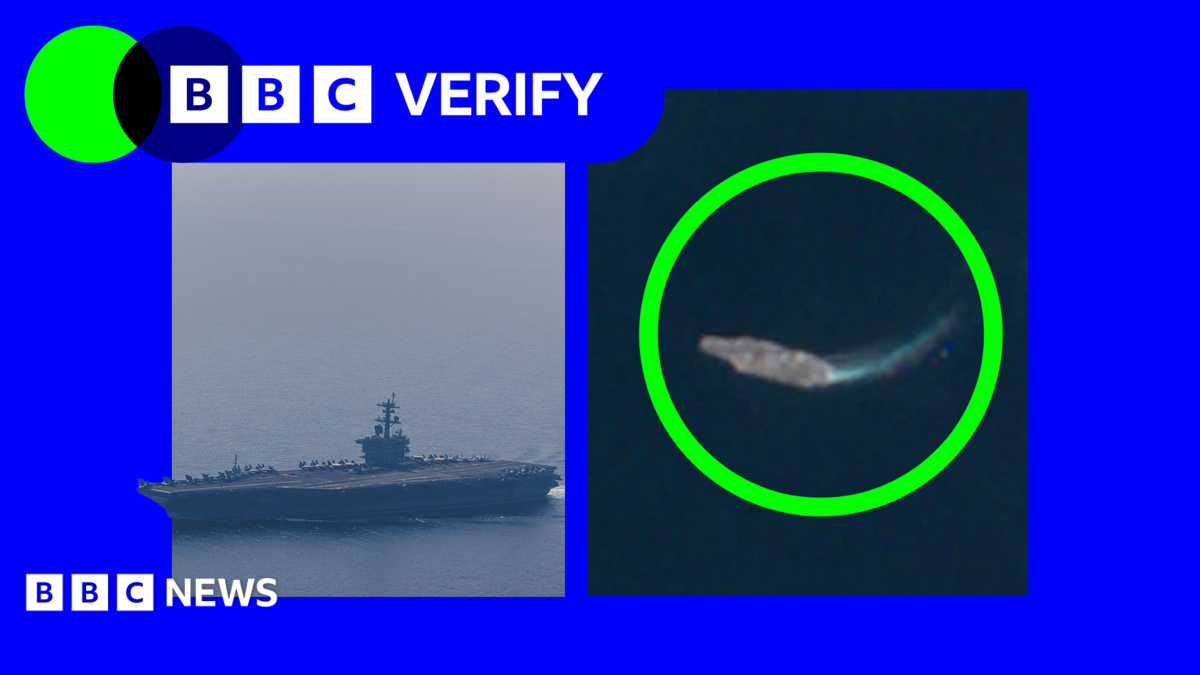
The USS Lincoln, a Nimitz-class aircraft carrier, has maintained an extended operational deployment tracked through satellite imagery analysis, marking one of the longest continuous missions undertaken by a US Navy carrier strike group in recent years.
The extended deployment has raised concerns among military analysts and observers regarding the welfare of personnel aboard the vessel and its accompanying ships. Prolonged deployments typically place significant strain on crew members, affecting morale, readiness, and family separation periods that exceed standard operational cycles.
Carrier strike group deployments traditionally last between six and nine months, allowing sufficient time for crew rest, maintenance, and personnel rotation. Extended missions beyond these parameters can impact operational effectiveness and personnel retention within the Navy, military observers note.
The USS Lincoln's extended presence in operational theaters reflects broader demand for US naval power projection across the Indo-Pacific region. However, military analysts suggest that sustainability of such extended deployments may require reconsideration of scheduling practices and crew rotation protocols to maintain force effectiveness while safeguarding personnel welfare.
The Navy has not publicly commented on specific concerns regarding the deployment's length or crew conditions aboard the carrier strike group.