World · Singapore Bureau
Faded vintage tees become unlikely profit center for apparel makers
Fashion retailers are capitalizing on consumer demand for deliberately aged clothing, with faded and distressed t-shirts commanding premium prices. The trend reflects a broader shift in consumer preferences toward curated vintage aesthetics.
LSN Singapore ·
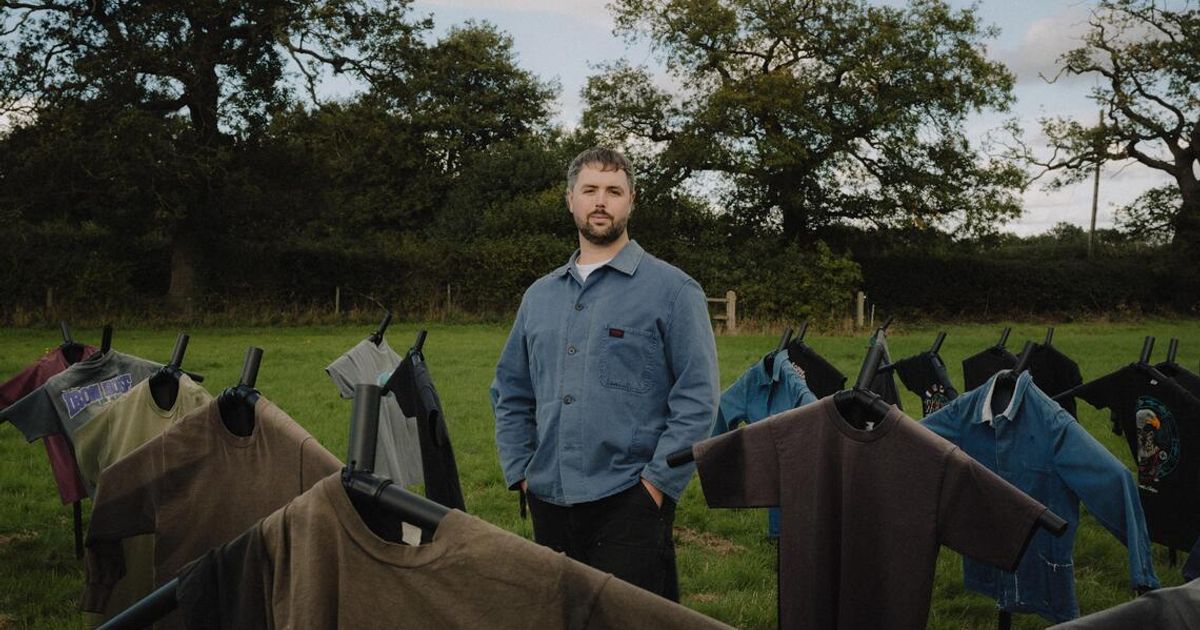
The market for vintage-style apparel has expanded significantly as consumers increasingly seek clothing that appears worn and weathered. Fashion brands and retailers have responded by producing new garments engineered to look decades old, applying techniques such as specialized washing, bleaching, and distressing to create an authentic aged appearance.
This deliberate fading process adds production costs to standard t-shirts, yet consumers show willingness to pay premium prices for the vintage effect. The pricing strategy capitalizes on nostalgia and the cultural cachet associated with vintage fashion, allowing retailers to differentiate their products in a competitive market.
The phenomenon reflects broader consumer behavior trends in developed economies, where vintage and retro aesthetics have gained sustained appeal across multiple demographics. Social media platforms have further amplified interest in vintage-inspired wardrobes, with influencers and fashion commentators regularly featuring distressed and faded pieces.
Retailers across Southeast Asia and beyond have observed strong sales performance in this category, suggesting the trend has moved beyond a niche market. The success of artificially aged apparel demonstrates how perceived authenticity and nostalgic value can justify retail price premiums, even when the vintage appearance is intentionally manufactured rather than organically acquired over time.