World · World News Bureau
Faecal contamination threatens drinking water supplies in Mexico's Yucatan
Environmental campaigners have identified severe fecal contamination in drinking water across Mexico's Yucatan Peninsula, with pig farming operations and inadequate wastewater treatment systems identified as primary pollution sources.
LSN World News ·
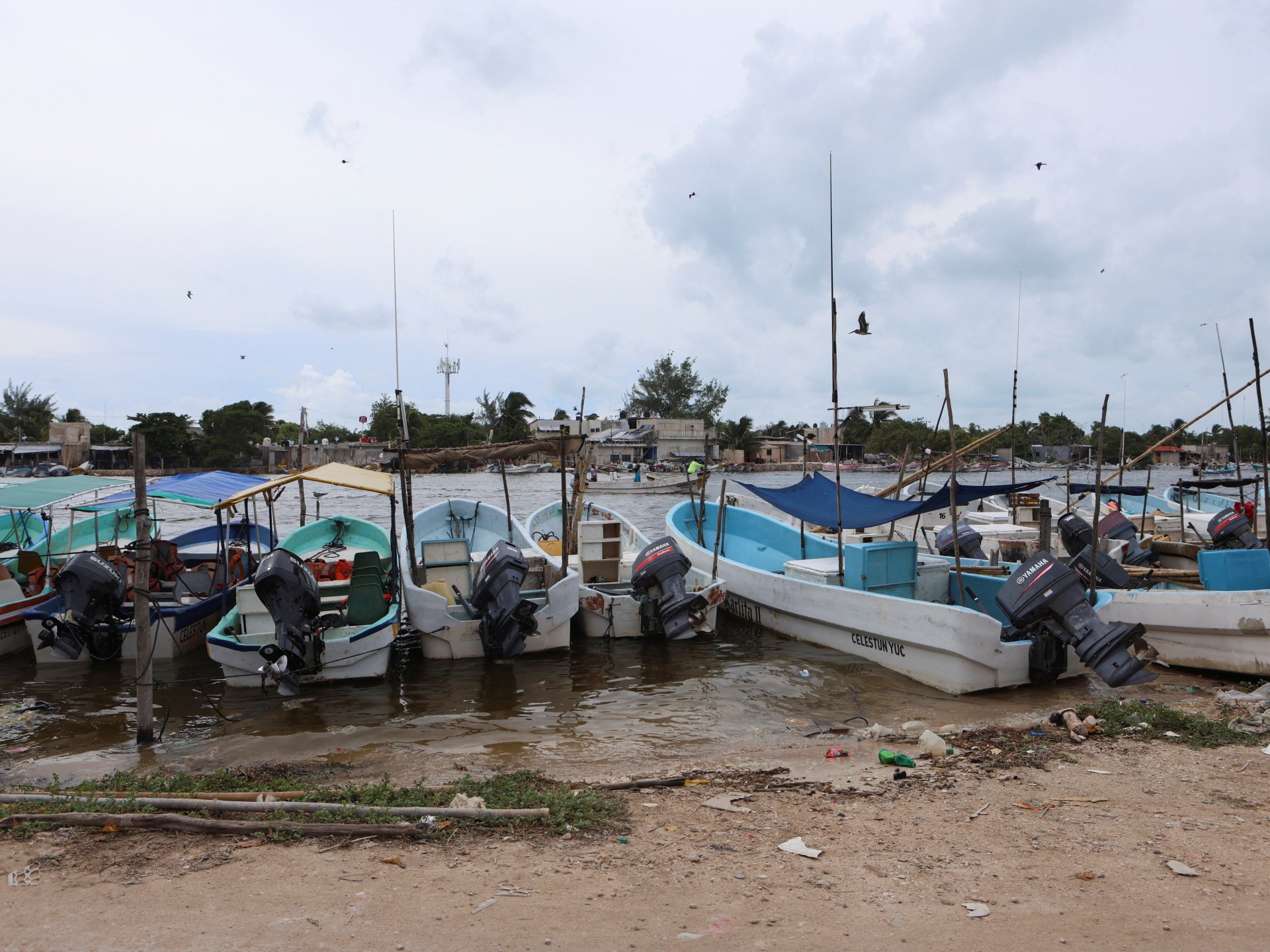
A comprehensive environmental assessment has revealed widespread fecal contamination in drinking water supplies across Mexico's Yucatan Peninsula, raising serious public health concerns in the region. The contamination has been traced to two main sources: industrial pig farming facilities and municipal wastewater systems that lack adequate treatment capacity.
The Yucatan Peninsula, home to millions of residents and a major tourist destination, relies heavily on underground aquifers and cenotes—natural sinkholes that provide access to freshwater reserves. These water sources are particularly vulnerable to contamination due to the region's porous limestone geology, which allows pollutants to permeate groundwater systems rapidly.
Pig farming operations in the region have expanded significantly in recent years, generating substantial amounts of animal waste that frequently infiltrates groundwater when stored or disposed of improperly. Simultaneously, many municipalities lack the infrastructure to adequately treat wastewater before it enters the environment, compounding the contamination problem.
Local authorities have been urged to implement stricter regulations governing agricultural waste management and to invest in modernized wastewater treatment facilities. The findings underscore ongoing challenges facing rural and semi-rural areas across Mexico in balancing economic development with environmental protection and public health safeguards.
Community health officials have recommended immediate water quality testing in affected areas and enhanced monitoring of contamination levels to prevent waterborne disease outbreaks.