World · Singapore Bureau
Family sexual abuse survivors grapple with trauma and self-blame
Law enforcement data shows most rape cases involve perpetrators known to victims, with family members accounting for a significant portion of offences. Survivors often struggle with guilt and isolation as they process abuse committed by trusted relatives.
LSN Singapore ·
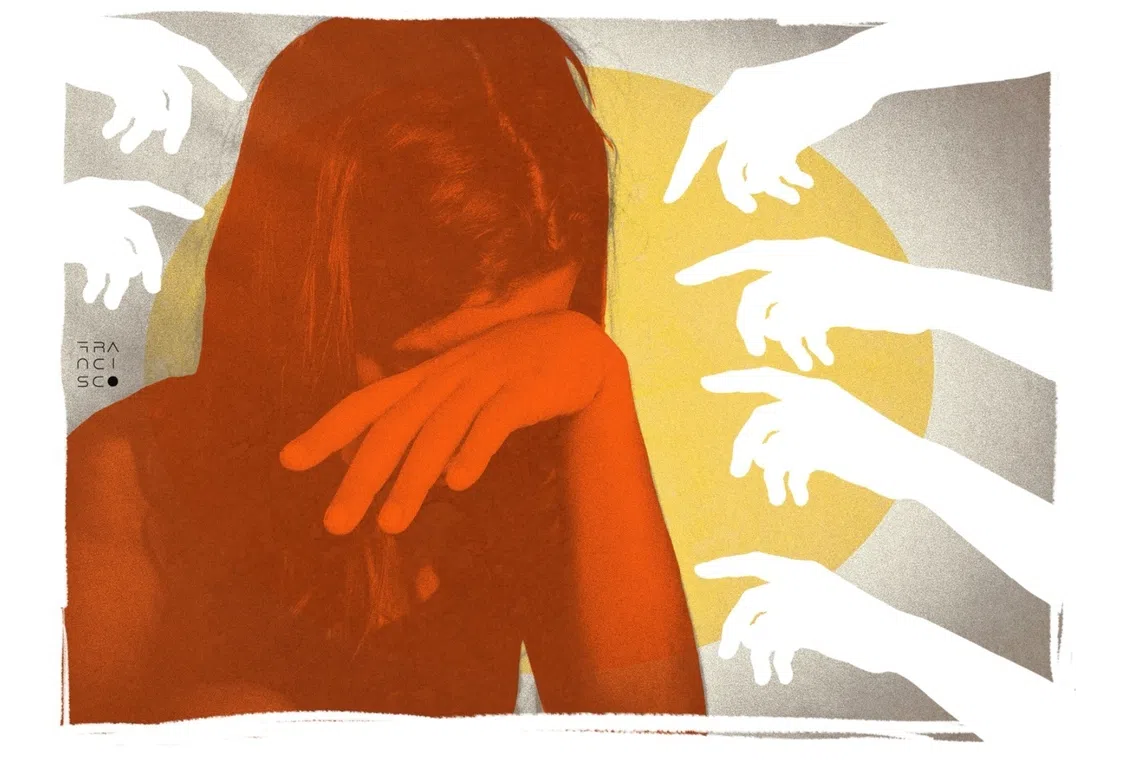
Police statistics across the region reveal that the majority of sexual assault cases involve offenders who have existing relationships with their victims, with family members responsible for a substantial share of reported incidents. This dynamic creates particular challenges for survivors, who frequently experience conflicting emotions including shame, confusion, and self-recrimination alongside trauma from the abuse itself.
Survivors of familial sexual assault often internalize blame, questioning their own actions or perceived role in the incident. The breach of trust inherent in abuse by family members—those expected to provide protection and care—compounds psychological distress and can delay disclosure or reporting to authorities. Many victims remain silent for extended periods, fearing disbelief, family breakdown, or social stigma.
Mental health professionals note that survivors frequently experience complex trauma responses when abuse occurs within family units. The ongoing proximity to perpetrators in household settings can perpetuate cycles of fear and control, while limited privacy or resources may prevent victims from seeking help. Support services emphasize that self-blame represents a common but misplaced response to trauma.
Advocates stress the importance of creating safe reporting mechanisms and accessible counselling services for survivors of familial abuse. Addressing societal stigma and improving professional response protocols remain critical priorities for supporting victims toward recovery and accountability.