World · India Bureau
Fan Speed Issues? Here's What You Need to Know About Capacitor Upgrades
While upgrading a fan's capacitor might seem like a quick fix for sluggish performance, experts warn that the solution isn't universally applicable. Understanding proper capacitor replacement procedures is essential to avoid damaging your appliance.
LSN India ·
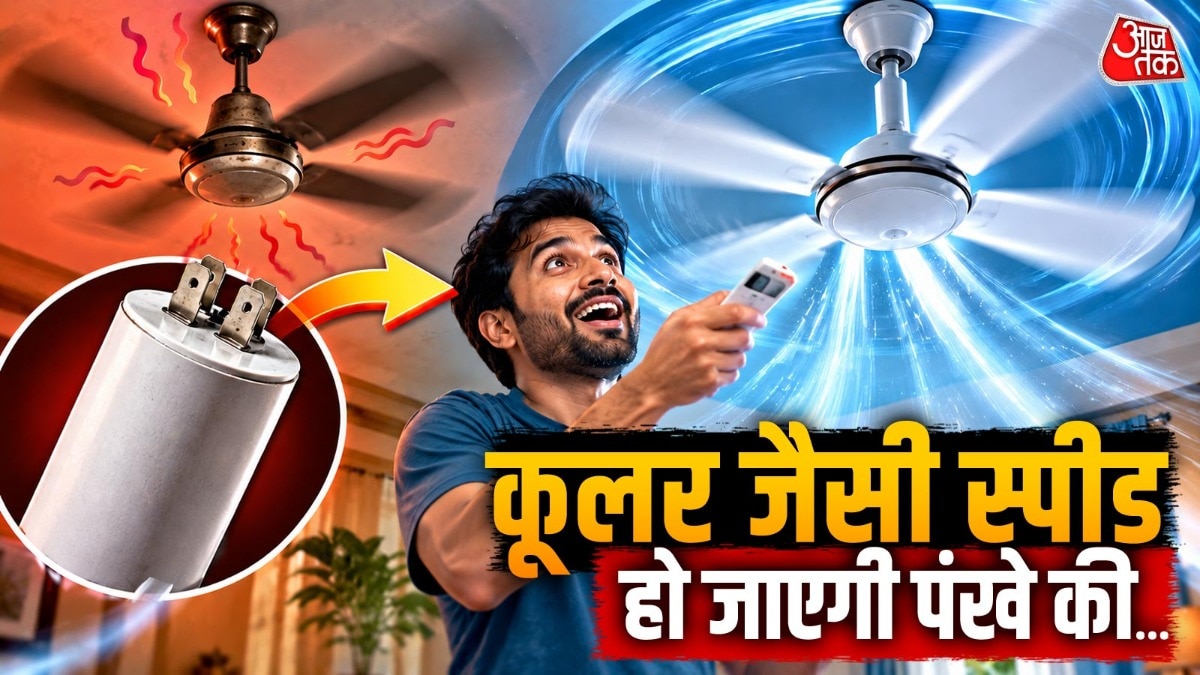
Many households resort to installing higher-capacity capacitors when ceiling or table fans begin operating at reduced speeds. However, this common practice carries significant risks and may not be suitable for all fan models, according to appliance maintenance guidelines.
A fan's capacitor plays a crucial role in regulating motor performance and speed regulation. When performance deteriorates, the natural instinct is to upgrade to a more powerful capacitor to restore the fan to cooler-like speeds. Yet this approach can backfire if proper precautions are not observed.
Experts emphasize that replacing a fan's capacitor requires careful consideration of multiple factors. Before attempting any upgrade, users should verify their fan model's specifications and consult the manufacturer's recommendations. Installing an incompatible or oversized capacitor can place excessive strain on the motor windings, potentially causing permanent damage to the appliance rather than improving its functionality.
When faced with diminishing fan speed, homeowners are advised to first investigate the root cause—whether it stems from a faulty capacitor, motor wear, or simple dust accumulation affecting performance. A diagnostic assessment by a qualified technician can determine whether capacitor replacement is genuinely necessary and identify the correct specifications required for safe operation.