Politics · World News Bureau
Far-right AfD approaches majority in German regional election
The Alternative for Germany's strong showing in a state election signals growing electoral support for the far-right party and raises concerns about its influence on German politics and broader European stability.
LSN World News ·
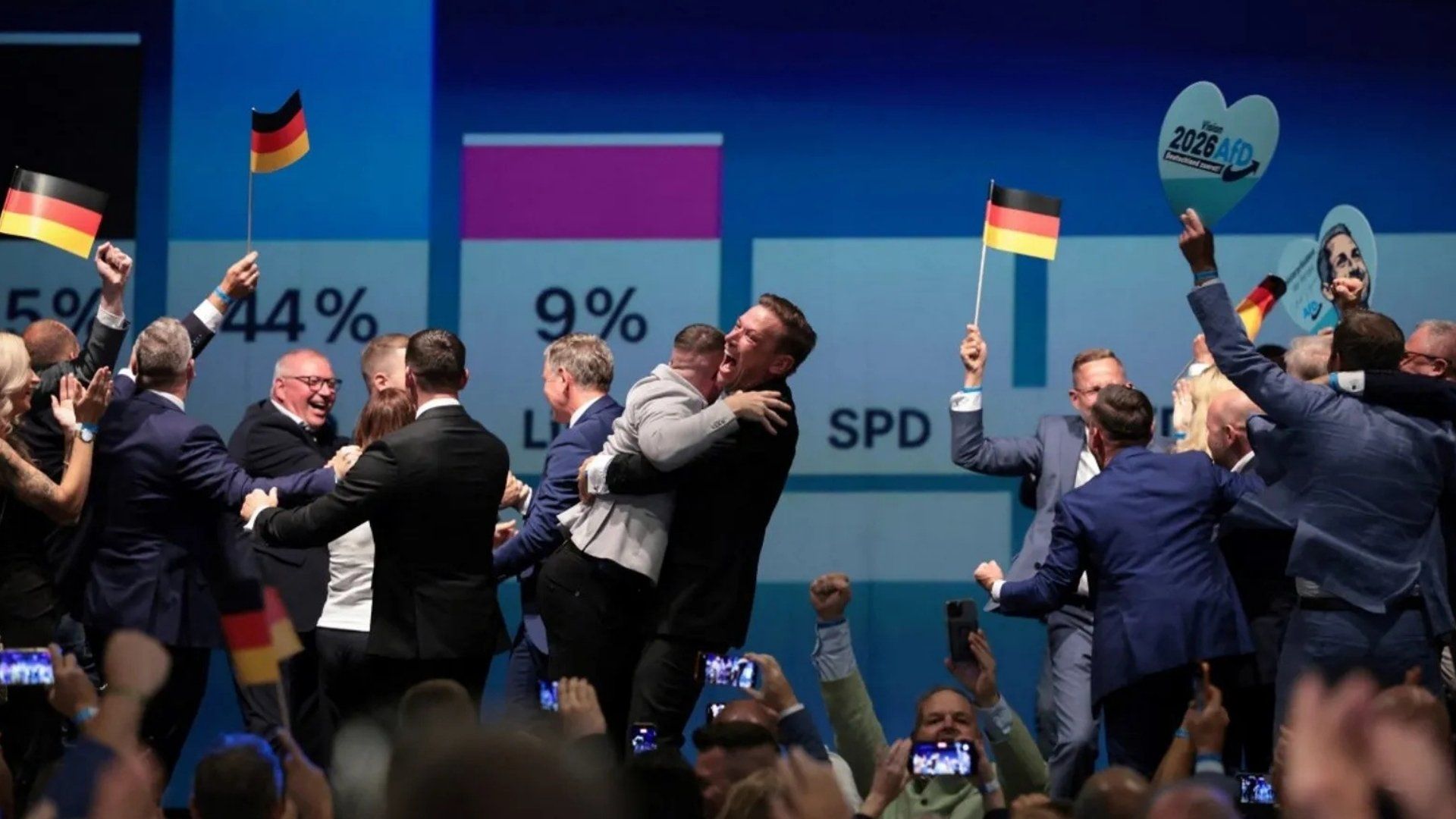
The Alternative for Germany (AfD) has made significant gains in a regional election, approaching majority support in voting that underscores the party's expanding political footprint within the country. The result reflects a notable shift in voter preferences, with the far-right party consolidating support across key demographics and regions.
Political analysts warn that the AfD's rising electoral strength poses challenges to Germany's established political consensus. Traditional centrist parties have historically isolated the AfD from coalition-building, but the party's proximity to majority status in regional contests suggests shifting dynamics that could eventually influence national politics and policy formation.
The electoral developments carry implications extending beyond Germany's borders. European Union officials and neighbouring governments have expressed concern about far-right movements gaining ground across the continent, with Germany's political trajectory potentially influencing similar trends elsewhere. The AfD's positions on immigration, European integration, and national sovereignty differ markedly from mainstream European policy frameworks.
Political parties across the German establishment have largely maintained a "cordon sanitaire" strategy, refusing to form coalitions with the AfD. However, analysts note that sustained electoral success may eventually test the durability of this approach, particularly if the party continues gaining support in additional regional contests. The coming months will be closely watched as indicators of broader political realignment.