World · India Bureau
Farakka Barrage Water Row: Bihar, Bengal and Bangladesh at Odds
The Farakka Barrage has become the focal point of a three-way water dispute between Indian states and Bangladesh, with each stakeholder claiming the 1996 water-sharing agreement favors others at their expense.
LSN India ·
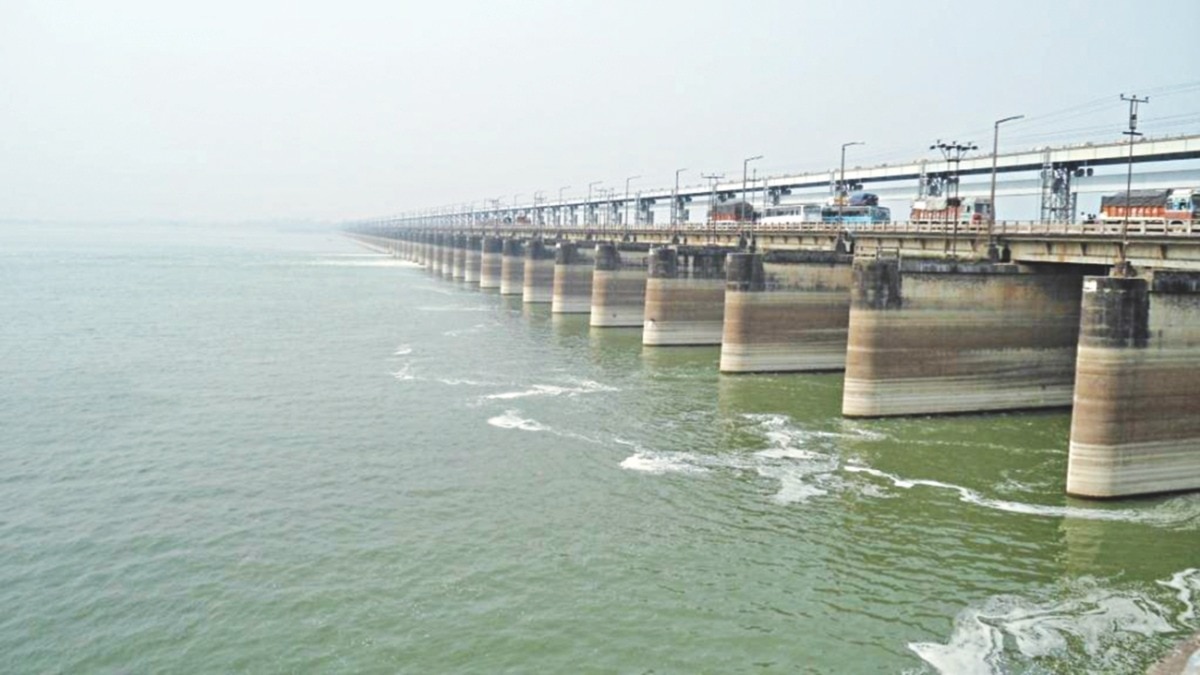
The Farakka Barrage, built primarily to protect Kolkata's port from silting, has emerged as a contested resource among Bihar, West Bengal and Bangladesh nearly three decades after a bilateral water-sharing treaty was established. The 1996 India-Bangladesh Ganges Waters Sharing Treaty established a framework for dividing the river's flow, but the arrangement has increasingly become a source of friction among the three parties.
Bihar has begun voicing concerns that it bears a disproportionate cost from the barrage operations. The state argues it suffers recurring floods and excessive silt deposition as a consequence of the water management system designed to maintain navigability at Kolkata port downstream. Government officials in Bihar contend that the existing framework prioritizes West Bengal's commercial interests while leaving the upstream state vulnerable to inundation.
West Bengal, meanwhile, remains anxious about maintaining adequate water flow to sustain Kolkata's port operations and meet the state's broader irrigation and industrial needs. The state worries that any modification to the current arrangement could jeopardize these critical interests.
Bangladesh's position centers on ensuring guaranteed water supply during dry seasons when river flows naturally diminish. The country seeks reliable access to its allocated share year-round to support agriculture and maintain river transport during low-water months.
The competing demands highlight the complexity of transboundary water management in the Ganges basin, where upstream flood control, mid-stream port operations and downstream dry-season needs must somehow be reconciled within an increasingly stressed framework.