Politics · World News Bureau
Farm economics shape US midterm voting as agricultural costs surge
Rising input costs are driving political engagement among American farmers ahead of midterm elections, with agricultural concerns increasingly influencing voting decisions and campaign priorities.
LSN World News ·
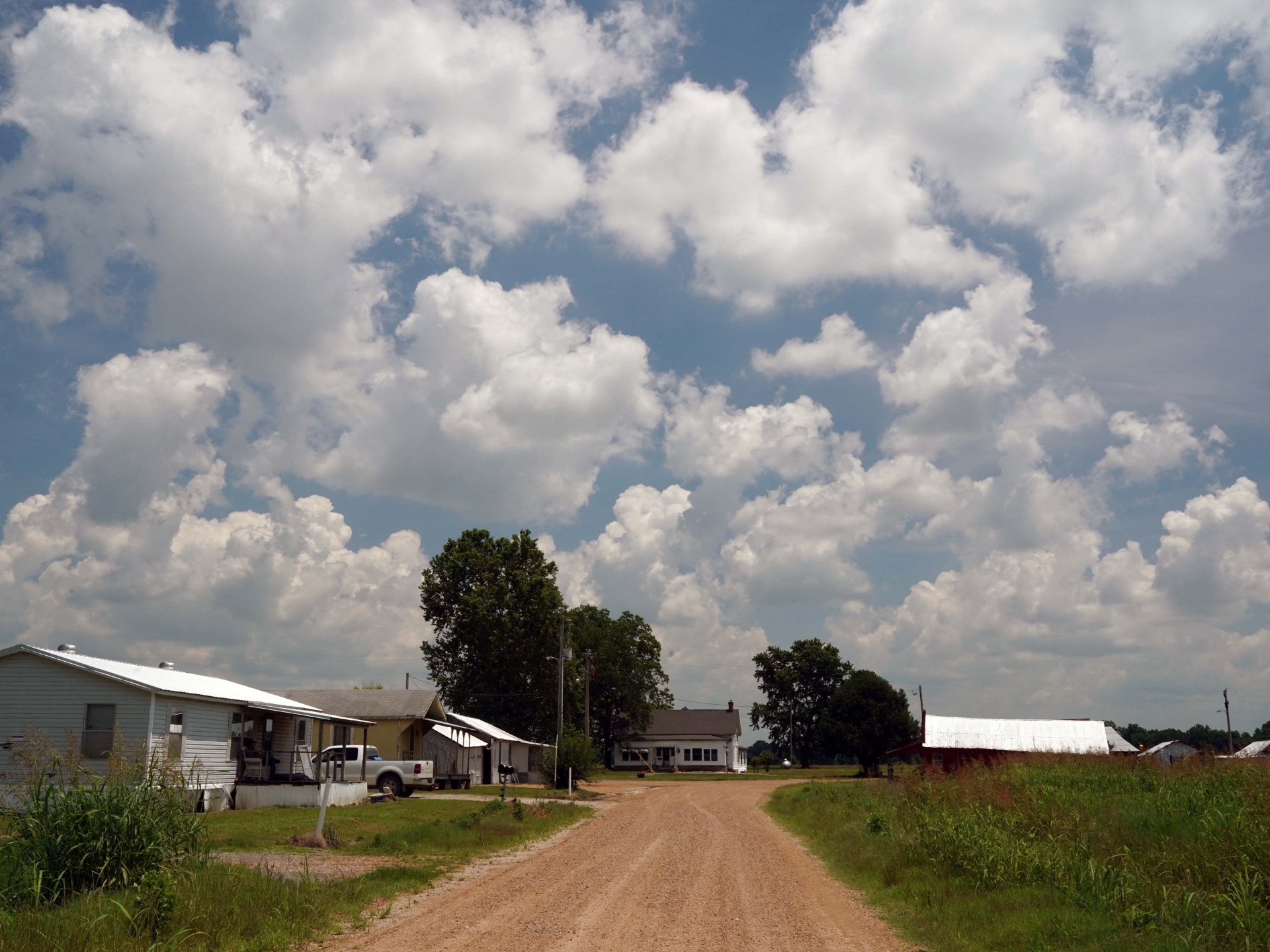
Agricultural economics are emerging as a decisive factor in the US midterm elections, with farmers weighing mounting production costs against political platforms addressing rural concerns. In Arkansas and other farming-dependent states, economic pressures are reshaping electoral dynamics as rural voters evaluate candidates' positions on agricultural policy and economic relief.
Farmer Hallie Shoffner's entry into Arkansas's competitive Senate race reflects broader farmer frustration with rising costs. Her campaign, built on understanding agricultural sector challenges, represents an attempt to mobilize rural voters around issues directly affecting farm profitability and sustainability.
The midterm contest highlights how commodity price fluctuations, input costs, and supply chain disruptions are intersecting with political choices. Farmers are closely examining candidates' records on agricultural support, trade policy, and rural infrastructure investment as they prepare for voting.
As the election approaches, farmers face dual decisions about crop selection and political strategy. The intersection of planting decisions and voting preferences underscores how economic conditions in rural America drive both agricultural practices and electoral outcomes, potentially reshaping representation in Congress.