Technology · India Bureau
Farm fires intensified after NASA satellite monitoring, worsens Delhi smog
Analysis of satellite data reveals a sharp spike in crop burning in the days preceding November 1, coinciding with periods of similar weather conditions that previously saw clearer air over the capital. India's meteorological satellites have documented a surge in evening farm fires in the four-day window before the month's onset.
LSN India ·
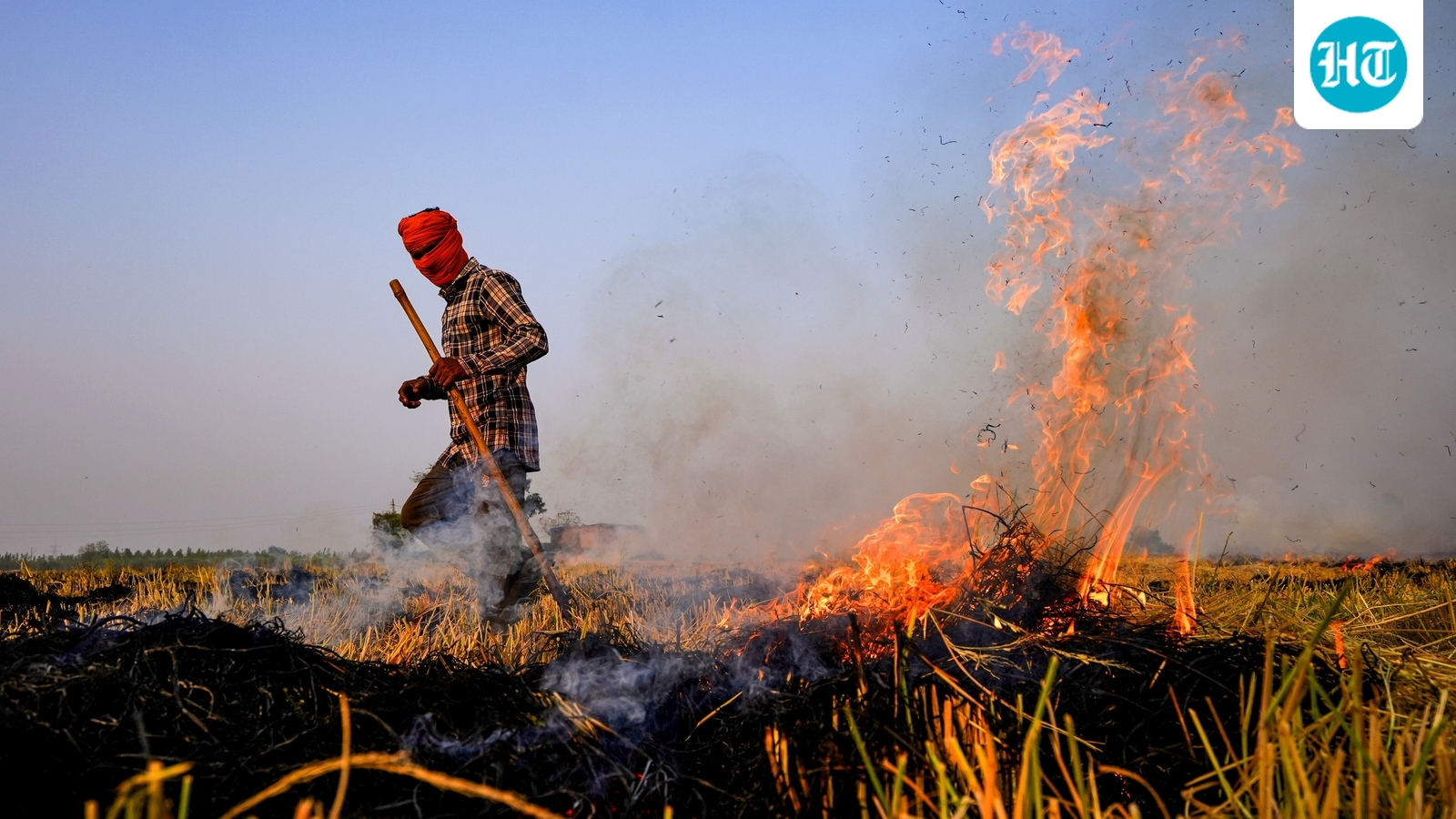
Delhi's deteriorating air quality in early November appears directly linked to a significant increase in agricultural burning activities, according to data from India's weather monitoring systems. On two October evenings with comparable atmospheric conditions, the capital experienced substantially better air quality, suggesting that recent smog formation is primarily attributable to crop-burning practices rather than meteorological factors alone.
India's indigenous weather satellites detected a marked rise in evening farm fires during the four days preceding November 1. This temporal pattern indicates that the intensity and timing of agricultural burning activities have intensified precisely when atmospheric conditions would typically disperse pollutants more effectively, resulting in accumulated air pollution over the National Capital Region.
The findings underscore the persistent challenge of stubble burning in neighbouring Punjab and Haryana states, which contributes significantly to Delhi's seasonal air quality crisis. Despite regulations restricting agricultural burning, farmers continue the practice to clear fields for winter sowing, overwhelming the capital's atmosphere with smoke and particulate matter each autumn.
Environmental experts have long pointed to the coincidence of crop-burning season with Delhi's air quality deterioration. The satellite data now provides quantifiable evidence of the direct correlation, suggesting that enforcement of anti-burning regulations during critical periods could yield measurable improvements in the capital's air quality. Authorities have intensified monitoring and penalty mechanisms, though compliance remains a persistent challenge.