World · India Bureau
Farm's 72-year healing journey culminates in permanent conservation status
A Maryland farming family's decision to let their exhausted land recover in 1954 has resulted in permanent environmental protection. Seven decades later, the restored property now stands as a testament to land stewardship and regenerative agriculture.
LSN India ·
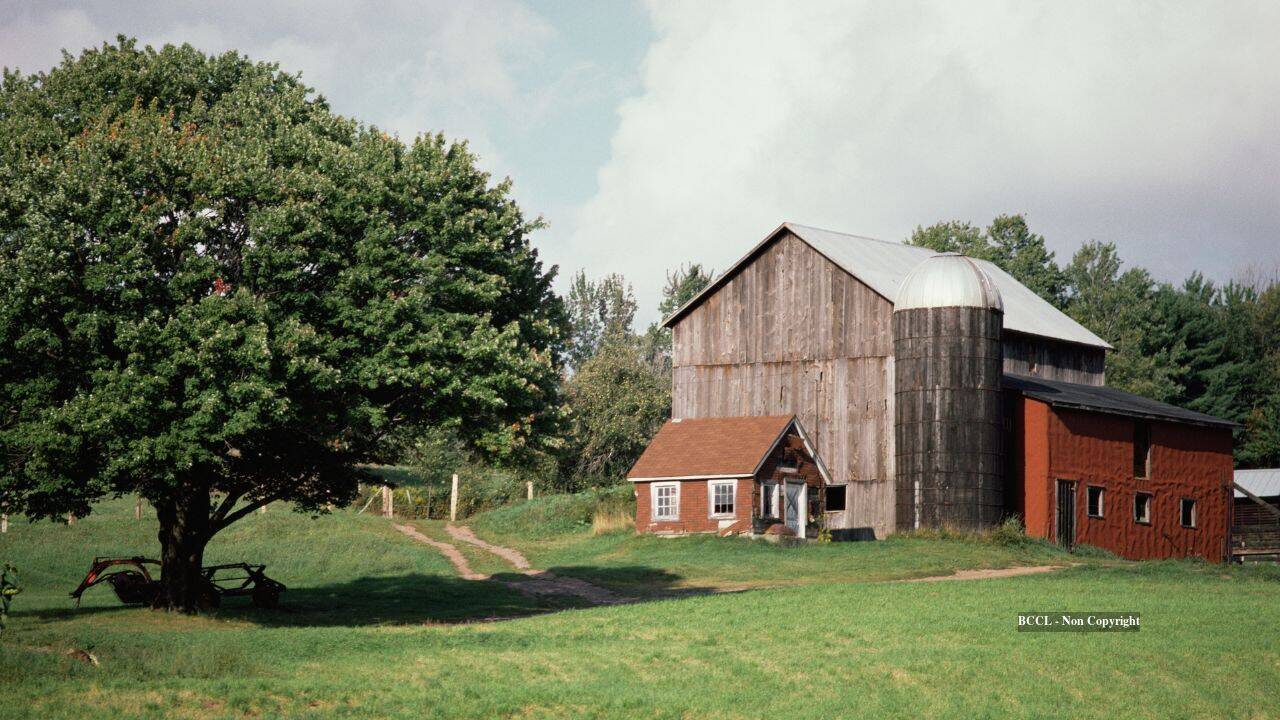
In 1954, a Maryland farming family made an unconventional decision that would reshape their land's future: they allowed their depleted farm to rest and recover naturally. After decades of intensive cultivation, the soil had grown exhausted and the ecosystem weakened. Rather than pursue further extraction, the family chose restoration over productivity.
The decision reflected an early understanding of sustainable land management principles that have since become central to global agricultural discussions. By halting traditional farming operations and allowing natural processes to revitalise the landscape, the family demonstrated foresight about environmental regeneration that predated mainstream conservation movements by decades.
Seventy-two years after that pivotal choice, the farm has been formally protected through a permanent conservation easement, ensuring the land will remain restored in perpetuity. The property now serves as a living example of how degraded agricultural land can recover when given time and space to heal, offering valuable lessons for farmers and landowners grappling with soil degradation and ecosystem collapse.
The achievement underscores growing recognition that land restoration—allowing landscapes to naturally recover their biological productivity and ecological function—represents a viable alternative to continuous exploitation. As agricultural communities worldwide face mounting pressure from soil depletion and climate change, the Maryland farm's trajectory demonstrates both the feasibility and long-term value of conservation-oriented stewardship.