Business · India Bureau
Farm sector left behind as India's liberalisation reforms skip rural areas
More than three decades after economic liberalisation transformed India's economy, the agricultural sector remains mired in structural constraints including weak markets, inadequate investment, and persistent subsidy dependence.
LSN India ·
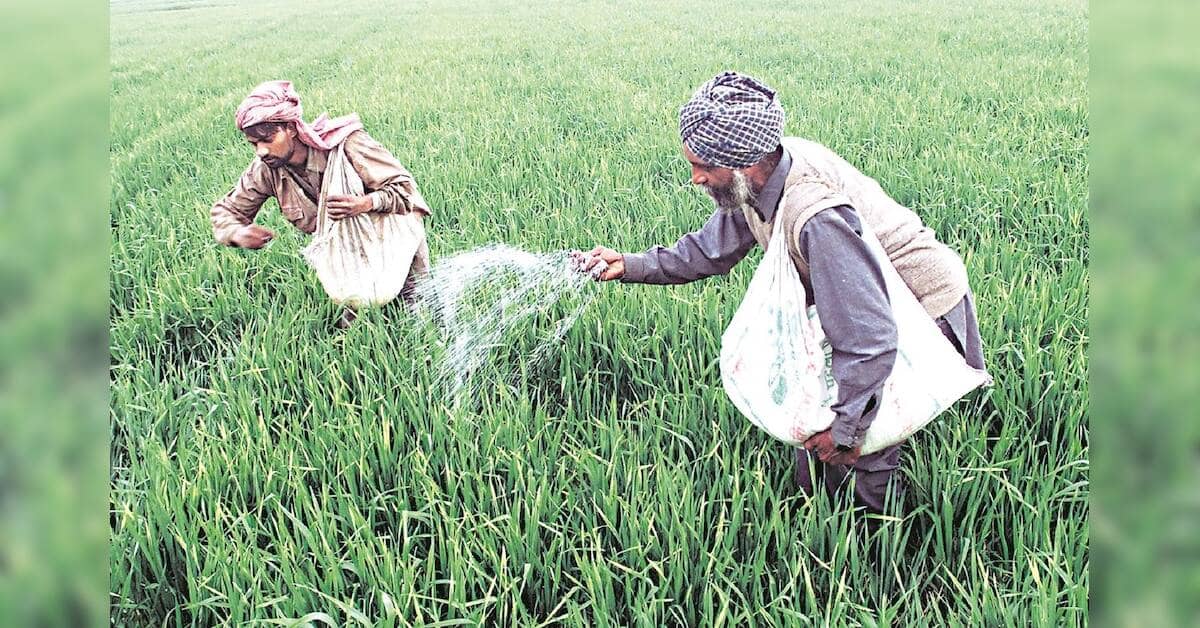
India's agricultural sector has largely failed to benefit from the market-oriented reforms that reshaped the country's economy since 1991, according to analysts tracking the sector's development. While liberalisation drove rapid growth in manufacturing and services, farms continue to grapple with fundamental obstacles including underdeveloped supply chains, limited access to credit, and fragmented landholdings that constrain productivity and profitability.
The farm economy's resistance to reform reflects a complex web of challenges. Smallholder farmers, who constitute the majority of India's agricultural workforce, operate with minimal bargaining power in commodity markets. Weak rural infrastructure, inadequate storage facilities, and limited direct access to buyers perpetuate dependence on intermediaries who capture significant margins.
Government intervention through agricultural subsidies, while intended to support farmers, has inadvertently reinforced structural inefficiencies. Price support schemes and input subsidies often encourage cultivation patterns misaligned with market demand and water availability, particularly in resource-stressed regions. Meanwhile, proposed reforms aimed at modernising agricultural markets and reducing government controls have encountered sustained opposition from farming communities and political constituencies.
Experts note that meaningful transformation of India's farm sector requires simultaneous action on multiple fronts: improving rural infrastructure, facilitating direct farmer-to-buyer linkages, encouraging investment in agricultural technology, and carefully sequencing market reforms to protect vulnerable producers during transition periods. Without such comprehensive intervention, India's farms risk remaining isolated from the opportunities created by three decades of national economic change.