World · Singapore Bureau
Fatherhood reshapes male brain biology and physiology, research shows
Becoming a father triggers measurable changes in brain structure and body composition in men, according to emerging scientific evidence. The transformative effects of parenthood appear to be reciprocal, with children influencing paternal biology even as fathers shape their offspring.
LSN Singapore ·
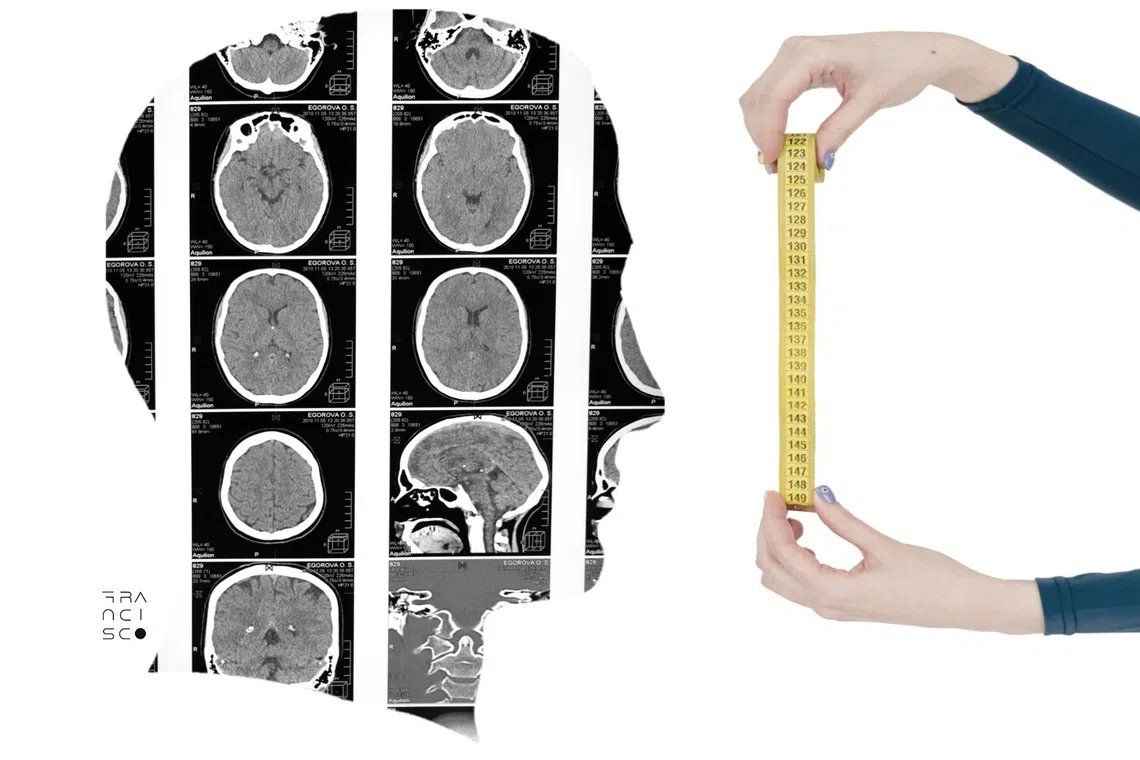
Recent research into the biological impacts of fatherhood reveals that the transition to parenthood produces significant alterations in male neurochemistry and physical form. Studies examining brain imaging data and hormonal profiles have documented shifts in regions associated with empathy, reward processing, and social bonding among men who become fathers. These neurological changes facilitate the caregiving behaviours essential to child-rearing, suggesting that paternal involvement is supported by fundamental biological adaptations. Beyond the brain, fatherhood correlates with measurable changes in body composition, including variations in muscle mass and metabolic patterns. Scientists attribute these shifts partly to altered hormone levels, including reductions in testosterone and increases in oxytocin and prolactin, which promote nurturing behaviours. The findings underscore how parenthood represents a profound biological transition for men, comparable in scope to the well-documented physiological changes experienced by mothers. Researchers emphasise that these adaptive mechanisms represent an evolutionary heritage, with paternal investment in offspring survival embedded within male biology. The reciprocal nature of parent-child relationships means that as fathers actively participate in raising children, they simultaneously undergo physical and psychological transformation, creating a dynamic cycle of mutual influence that shapes development across generations.