World · World News Bureau
Felony convictions strip voting rights from millions in United States
Criminal justice advocates are drawing attention to America's complex patchwork of voting restrictions tied to felony convictions, which disenfranchises millions of citizens. The case of individuals like Tati Abu King highlights how criminal records can permanently alter political participation across different states.
LSN World News ·
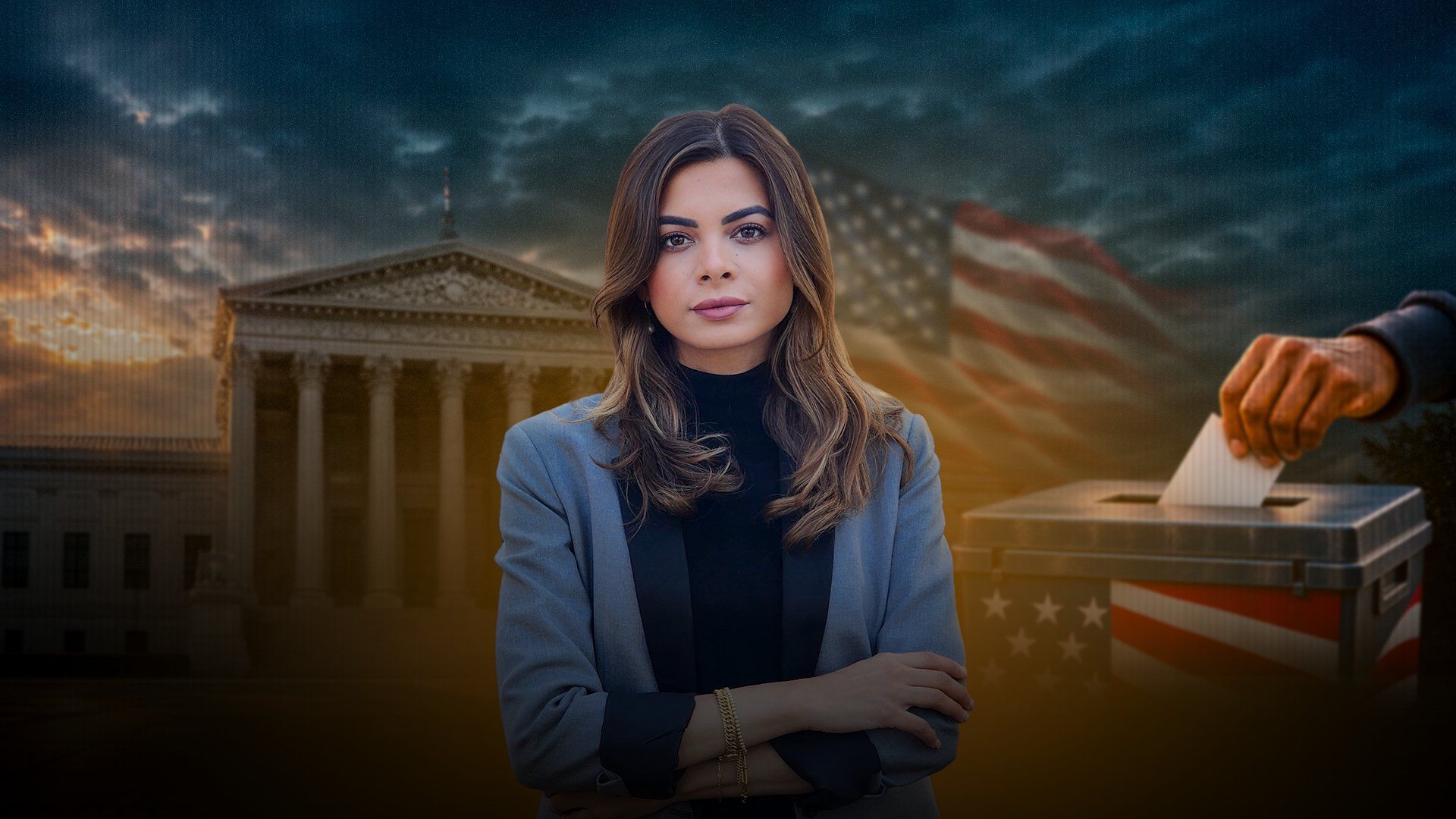
The United States maintains one of the world's strictest policies on voting rights for people with felony convictions, with an estimated 5.2 million Americans currently barred from the ballot due to criminal records. The specifics of these restrictions vary dramatically by state, creating a fragmented system where voting eligibility depends heavily on geography and the nature of past convictions.
Tati Abu King represents one of many individuals whose felony convictions resulted in permanent or prolonged loss of voting rights. In some states, disenfranchisement extends for life, while others restore voting privileges after sentence completion or a set period of time. This inconsistency has prompted ongoing debate about rehabilitation, redemption, and the fundamental right to political participation.
Civil rights organizations argue that blanket voting restrictions for felony convictions disproportionately affect minority communities, given documented disparities in the criminal justice system. They contend that permanent disenfranchisement undermines rehabilitation goals and creates barriers to reintegration into civic life. Several states have recently reformed their policies to restore voting rights more expeditiously, though federal standards remain absent.
The debate reflects deeper questions about American democracy and punishment. Proponents of voting restrictions cite public safety and the severity of criminal conduct, while reform advocates emphasize that voting rights are foundational to democratic participation and that many individuals with convictions have fully served their sentences and deserve restoration of citizenship privileges.