World · India Bureau
Fiber-reinforced rebar gains traction in Indian construction market
Composite reinforcement materials are increasingly popular among Indian builders, but understanding the differences between CFRP and GFRP variants is crucial for selecting cost-effective solutions for residential construction projects.
LSN India ·
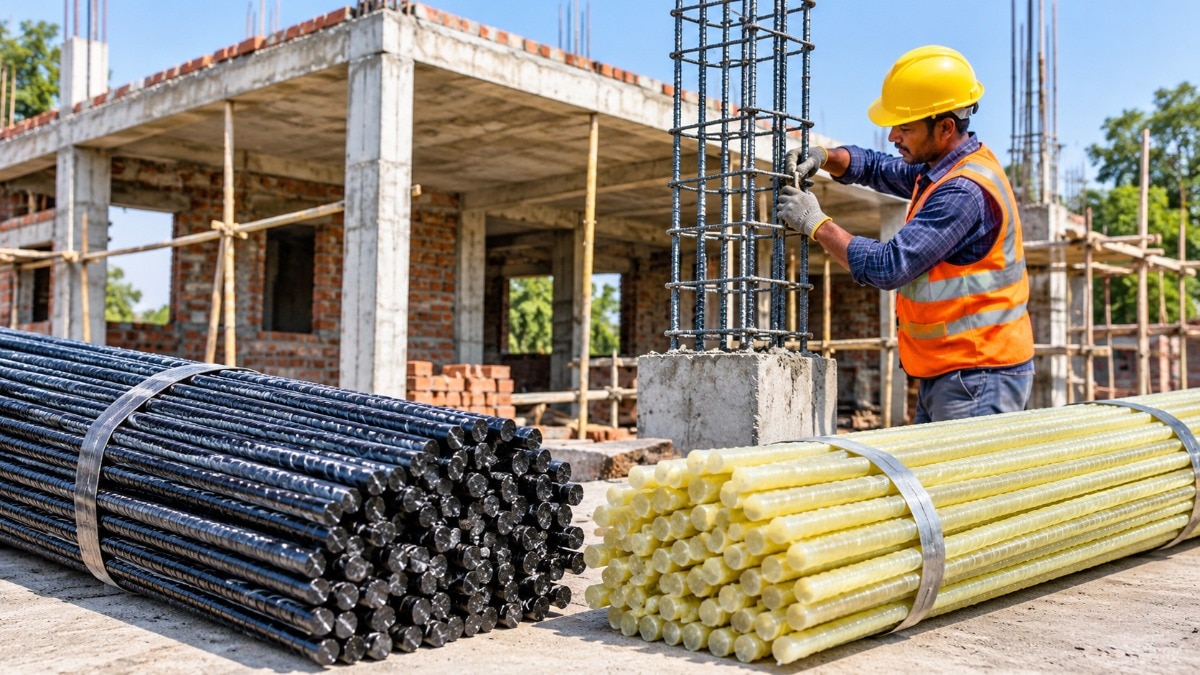
Fiber-reinforced polymer (FRP) rebars have emerged as a significant alternative to traditional steel reinforcement in India's construction sector, with growing demand across residential and commercial projects. The market now offers multiple composite options, each with distinct properties, performance characteristics, and price points that builders must carefully evaluate.
Carbon fiber reinforced polymer (CFRP) and glass fiber reinforced polymer (GFRP) represent the two primary categories available to Indian developers and contractors. While both materials offer advantages over conventional steel—including superior corrosion resistance, lighter weight, and non-conductive properties—they differ substantially in cost and suitability for various applications.
GFRP rebars typically command a lower price point compared to their carbon fiber counterparts, making them an attractive option for budget-conscious residential construction projects. The material's affordability, combined with adequate strength and durability characteristics, positions GFRP as a practical choice for most standard building requirements. CFRP variants, though more expensive, offer enhanced structural performance and are increasingly specified for high-end or specialized construction applications.
Builders and contractors should assess project-specific requirements, structural demands, and budget constraints when selecting between FRP reinforcement options. Industry experts recommend consulting structural engineers and comparing material specifications alongside cost analysis to identify the most economical solution without compromising structural integrity or long-term durability performance.