World · India Bureau
Fighting corruption requires collective effort across society: Senior official
India's anti-corruption framework depends on participation from government, civil society and citizens working in tandem, according to a senior judicial authority. The official emphasized that addressing graft remains a shared responsibility rather than a task for any single institution.
LSN India ·
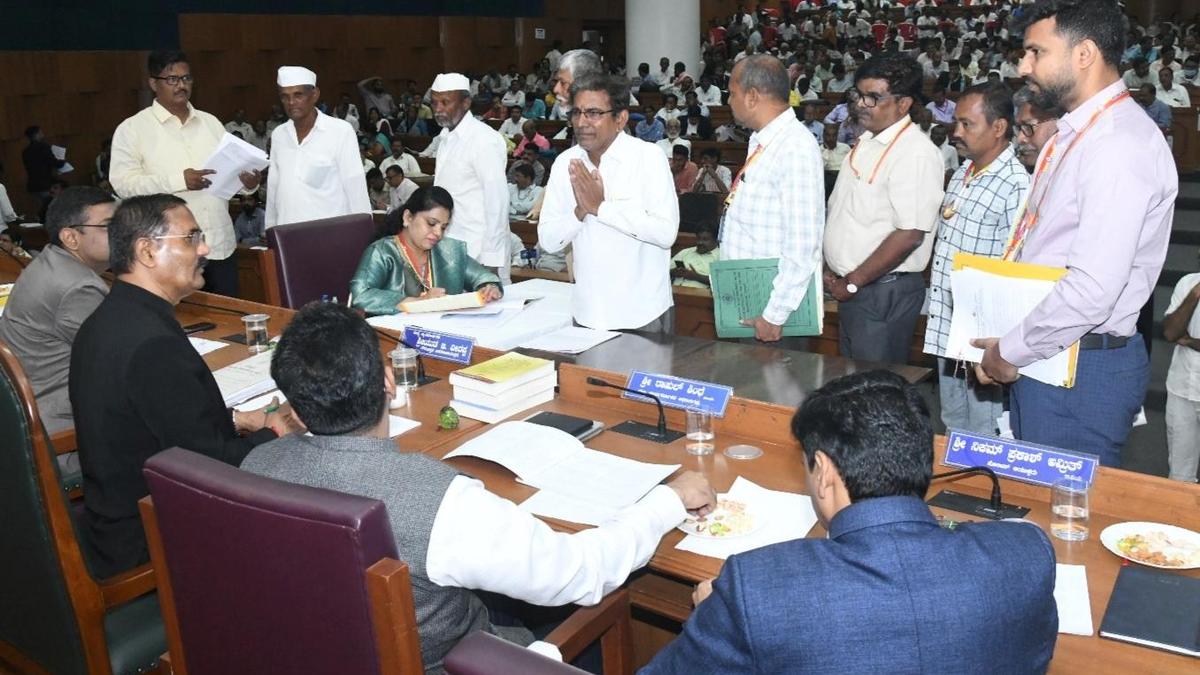
Tackling corruption across India demands coordinated action from multiple stakeholders, including government bodies, civil society organizations and the general public, according to Upa Lokayukta B. Veerappa.
The senior ombudsman official underscored that anti-corruption efforts cannot be effective when confined to institutional mechanisms alone. Rather, sustained progress requires active participation and vigilance from citizens, media organizations and independent watchdog groups that collectively monitor public conduct and institutional performance.
Veerappa's remarks highlight the structural challenges facing India's anti-corruption infrastructure, which relies on various agencies including the Central Bureau of Investigation, Lokayukta offices at state and central levels, and specialized courts. Despite these mechanisms, systemic corruption remains a persistent challenge affecting public service delivery and citizen confidence in institutions.
The official's emphasis on collective responsibility signals growing recognition among governance experts that preventive measures—such as transparency initiatives, citizen awareness campaigns and institutional accountability mechanisms—must complement investigative and punitive approaches to yield measurable results in curbing corrupt practices.