World · Sri Lanka Bureau
Fiji declares HIV emergency as infection rates triple in five years
The Pacific island nation has declared a national health emergency in response to a sharp surge in HIV cases, prompting authorities to expand testing, treatment and prevention programmes. The prevalence rate has increased dramatically, with one in 60 adults now living with the virus.
LSN Sri Lanka ·
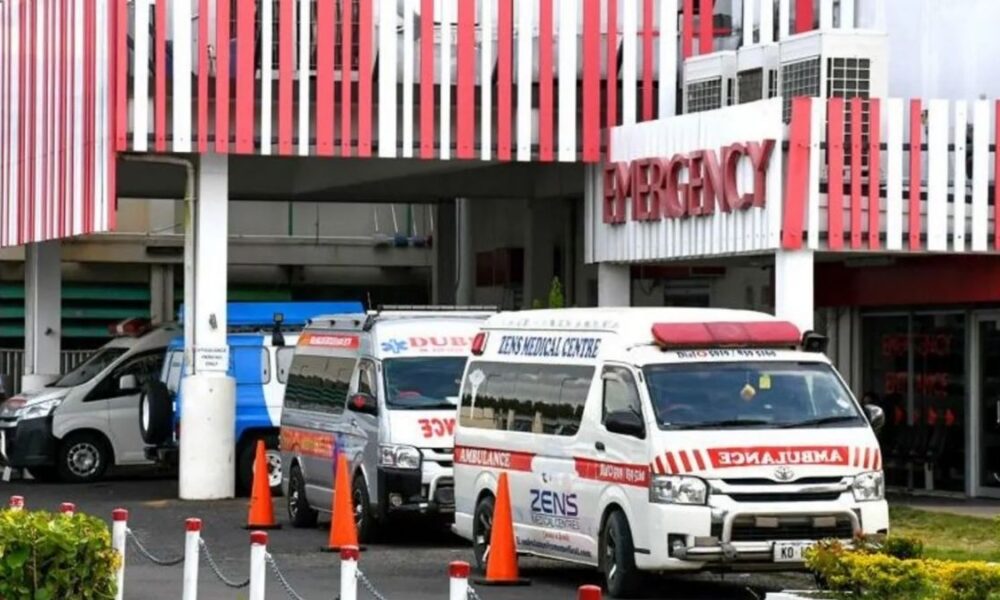
Fiji has declared HIV a national emergency as the country grapples with a significant rise in infections among its population. The declaration underscores growing concerns about the public health crisis affecting the small Pacific archipelago, where infection rates have accelerated in recent years.
Official figures reveal the severity of the situation. The prevalence of HIV among Fijian adults has climbed sharply to approximately one in 60 individuals, a stark increase from one in 167 adults recorded just five years ago. This threefold jump in infection rates has triggered urgent government action to contain the spread of the bloodborne virus.
Particularly alarming is the rising number of infants and young children dying from HIV-related complications, indicating that transmission from mother to child remains a critical concern. Health authorities have identified gaps in prevention of mother-to-child transmission services as a contributing factor to these preventable deaths.
In response to the emergency declaration, Fijian authorities are significantly expanding access to HIV testing, antiretroviral treatment and prevention services across the nation. The expansion aims to identify cases early, ensure patients receive timely treatment, and reduce new infections through improved prevention programmes.
The declaration reflects a broader regional challenge, as several Pacific island nations have reported increasing HIV cases in recent years. Public health officials have indicated that addressing stigma, improving healthcare infrastructure, and ensuring equitable access to treatment will be central to reversing the upward trend.