World · Singapore Bureau
Financial experts offer practical strategies to balance present enjoyment with future security
As consumers grapple with economic uncertainty, financial advisors are recommending a balanced approach to spending that prioritizes investments in personal assets and experiences that retain lasting value. The strategy aims to counter impulsive "doom spending" while building sustainable financial wellbeing.
LSN Singapore ·
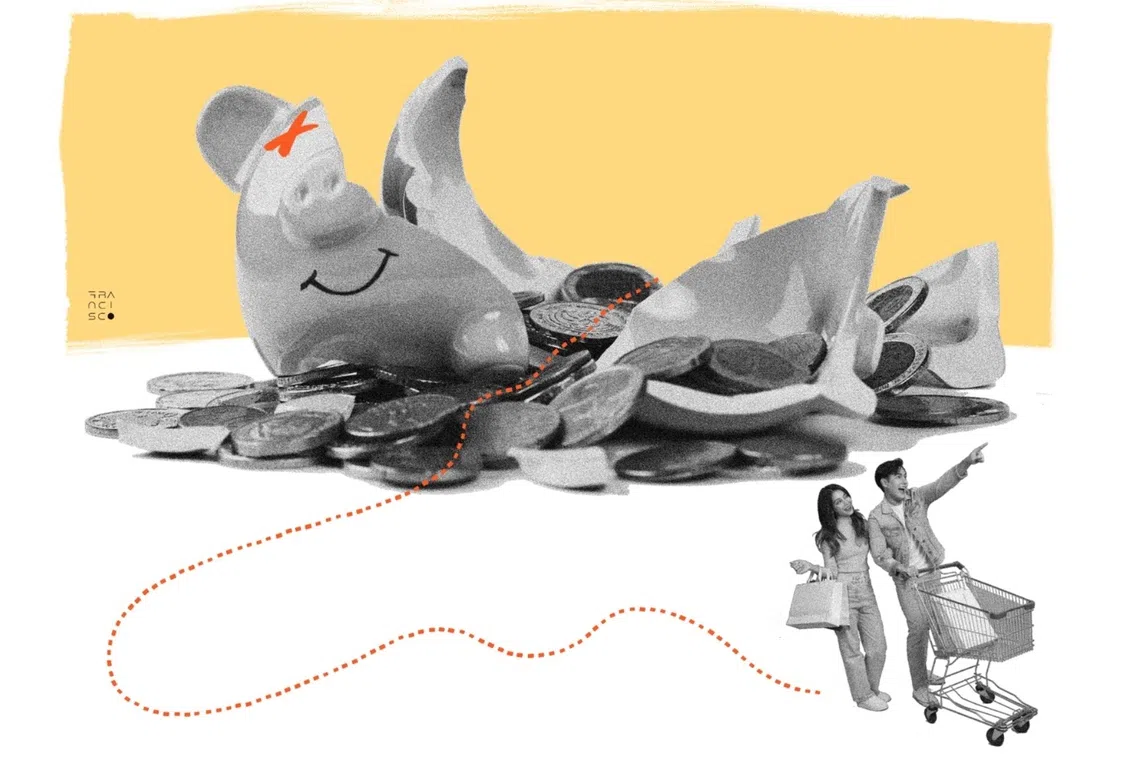
Financial planners across the region are increasingly advocating for a middle-ground approach to personal finances, moving away from both excessive restraint and reactive overspending. Rather than deferring all gratification or succumbing to anxiety-driven purchases, the recommended strategy focuses on deliberate investments in areas within individual control that cannot easily be depleted or taken away.
Experts suggest prioritizing spending on skill development, education, and health—areas that generate long-term returns and strengthen personal resilience. These investments build human capital that remains accessible regardless of external economic conditions, providing both immediate satisfaction and future financial security.
Experiences that strengthen relationships and mental wellbeing have also gained prominence in financial guidance. Travel, quality time with loved ones, and community engagement offer psychological returns that complement monetary savings, creating a more holistic approach to financial planning.
Property and asset ownership, including modest real estate or business ventures suited to individual circumstances, represent another recommended avenue. Such tangible investments provide both present utility and wealth accumulation potential.
Financial advisors emphasize that sustainable financial health requires acknowledging present needs while maintaining future-focused discipline. The approach encourages Singaporeans and regional consumers to evaluate spending through a lens of personal agency and lasting value, rather than viewing financial security and current enjoyment as mutually exclusive goals.