Politics · Singapore Bureau
Financial incentives alone insufficient to attract talent to politics, say experts
Analysts suggest that while competitive compensation helps, deeper structural and cultural factors determine whether capable individuals enter political service. The timing of salary adjustments remains a persistent challenge for policymakers seeking to refresh political leadership.
LSN Singapore ·
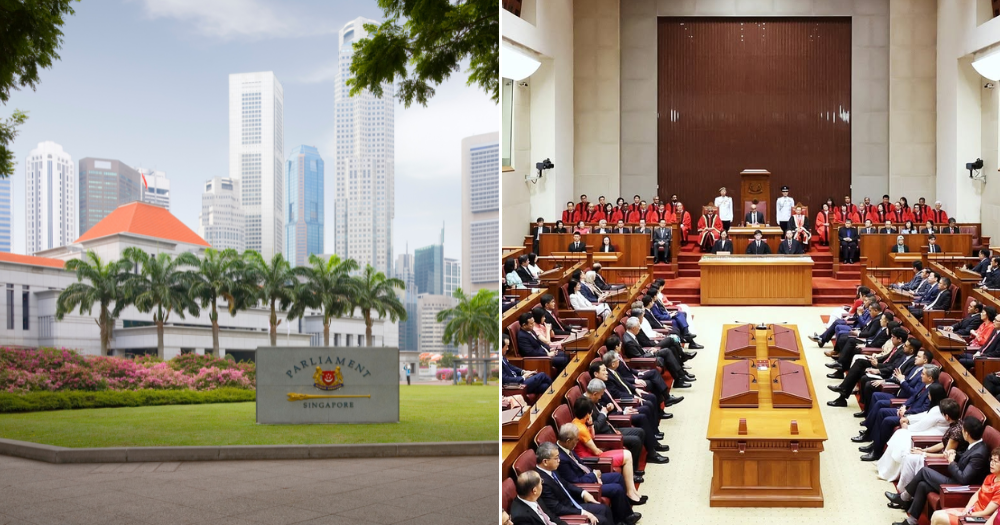
Experts examining barriers to political recruitment across the region argue that monetary compensation, though important, represents only a partial solution to attracting high-calibre candidates into government roles. According to analysts consulted on the issue, financial packages address an obvious concern but do not address the full spectrum of considerations that deter talented professionals from pursuing political careers. The challenge of drawing quality individuals into ministerial and parliamentary positions extends beyond salary structures to encompass work-life balance, public scrutiny, and career uncertainty. Observers note that while improving remuneration can remove one significant objection, it cannot single-handedly overcome resistance rooted in lifestyle disruption and reputational risk. The question of when to implement salary increases compounds these difficulties. Analysts emphasise that any adjustment to ministerial compensation faces inevitable public resistance and political controversy, meaning no moment feels opportune for such moves. This timing problem creates a catch-22 for governments seeking to modernise pay structures without triggering backlash. Policymakers must therefore consider complementary strategies beyond financial incentives, including reforms to working conditions, clearer advancement pathways, and efforts to restore public trust in political institutions.